 blog
Essential Amenities for Dementia Care Communities
Table of Contents
- What Makes Dementia Care Amenities Different
- Safety and Secure Access: The Foundation of Dementia Care
- Environmental Design That Supports Wayfinding and Wandering
- Questions to Ask Memory Care Facilities About Daily Care
- Dementia Care Facility Checklist: Meals, Activities, and Wellness
- Memory Care Activities for Residents: Purpose and Connection
- Assisted Living vs. Memory Care Amenities: Understanding the Difference
- Evaluating Amenity Quality in Practice
- Frequently Asked Questions
Last Updated: October 15, 2026
What Makes Dementia Care Amenities Different
When your parent or loved one needs memory care, the difference between a good community and a great one comes down to the details.
The best dementia care communities start with safety, then add something harder to measure: an environment that feels like home, not confinement.
Here's what separates excellent memory care amenities from the rest.
Safety and Secure Access: The Foundation of Dementia Care
Safety isn't optional in memory care, it's the baseline. Residents with dementia may wander, forget where they are, or leave doors open, so a secure environment protects them while preserving independence. The best systems go beyond locks and cameras to address accessibility, technology privacy, and how families can evaluate whether features actually work.
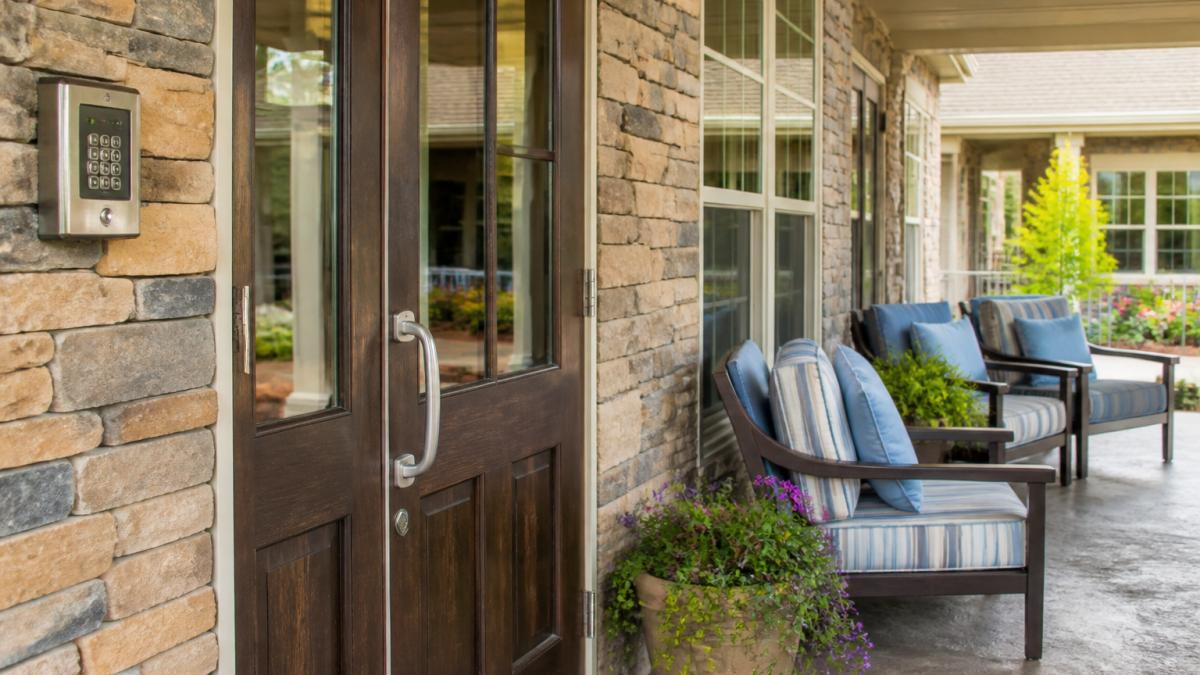
Secured entry systems and keypad locks
Secured entry is the first line of protection. Keypad locks and electronic doors prevent residents from leaving unsupervised. But the best systems do this invisibly. Residents don't feel trapped. Visitors don't feel like they're entering a jail.
Look for systems that:
- Allow staff to unlock doors quickly in emergencies
- Don't create bottlenecks during normal traffic
- Blend into the environment instead of looking institutional
A good secured entry system should feel like a normal door, not a barrier.
Emergency alert systems and 24/7 supervision
Wandering, falls, and medical emergencies happen. The question isn't whether something will go wrong, it's whether staff will respond fast enough.
Ask about:
- How many staff members work the night shift
- Response time for fall detection or emergency buttons
- Whether cameras monitor common areas
Round-the-clock supervision means real people awake and alert, not just cameras. At Emory Mills, we maintain 24/7 staffing because emergencies don't wait for business hours.
Accessibility and inclusion for residents with sensory, mobility, or communication needs
Mobility aids. Are hallways wide enough for wheelchairs and walkers? Are there handrails on both sides of corridors?
Hearing and communication support. Residents with hearing loss may miss alarms, announcements, or staff instructions.
Accessible bathrooms. A dementia-friendly bathroom has clear contrast between toilet, floor, and walls; an easy-to-see seat; and a layout that doesn't require complex maneuvering.
Technology, monitoring, and privacy trade-offs
Many memory care communities now use motion sensors, bed alarms, GPS trackers, and cameras. These tools can improve safety but raise real privacy questions.
Ask:
- What monitoring technology is used, and where is it installed?
- Are cameras only in common areas, or also in resident rooms?
- Who has access to monitoring data, and how long is it stored?
A common pattern is passive sensors (like bed-exit alarms) rather than cameras in private spaces; wearable trackers can be uncomfortable or stigmatizing.
How to evaluate safety in practice
You can tour a secure facility and still miss whether safety features actually work. Look for:
- Staff response time. Ask how quickly staff respond to a fall or emergency. A common benchmark is under two minutes for urgent calls.
- Maintenance records. Ask to see logs for alarm testing, door inspections, and emergency drills.
- Resident appearance. Do residents look clean, calm, and appropriately dressed? This signals that staff have time to attend to individual needs.
Costs and what's included
Safety features are often bundled into the monthly fee, but some, like personal emergency response devices or upgraded monitoring, may cost extra. Ask for a written list of what's included, and compare communities on the same basis: a lower fee may mean fewer staff or older equipment.
Environmental Design That Supports Wayfinding and Wandering
A well-designed space helps residents navigate independently while keeping them safe. Good wayfinding means clear visual cues; good wandering spaces mean safe, purposeful movement.
Circular walking paths and enclosed courtyards
Residents with dementia often feel the need to walk. Some search for something. Others just need to move. Straight hallways can feel like dead ends.
The best memory care communities offer:
- Enclosed courtyards with walking paths
- Outdoor spaces that loop back to the entrance
- Shaded seating areas for rest
A circular path lets residents walk for hours without getting lost, returning naturally to familiar places. This reduces anxiety and gives them a sense of accomplishment.
Clear signage, familiar belongings, and personal spaces
Wayfinding isn't just about paths. It's about helping residents recognize where they are. Bold signage with pictures works better than words alone.
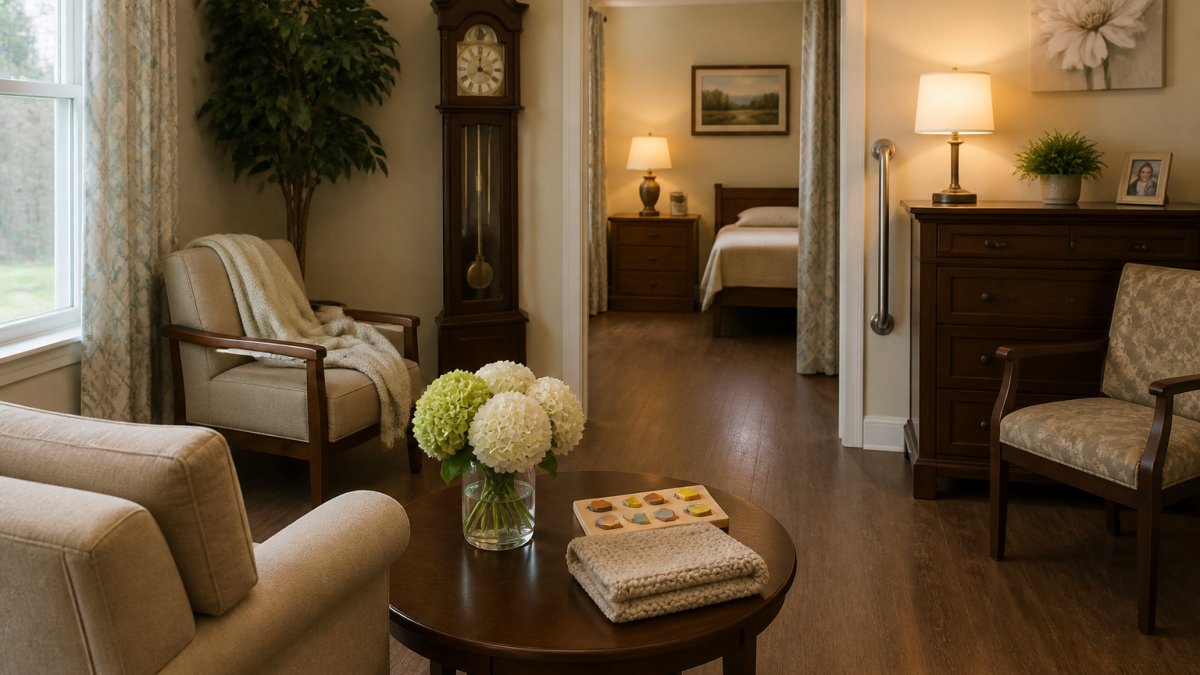
Personal spaces matter too. A bedroom that looks like home, with family photos, familiar furniture, favorite colors, reduces confusion and distress.
Questions to Ask Memory Care Facilities About Daily Care
When you tour a community, you'll see the building. What you need to understand is the care system behind it. The right questions reveal whether this place truly understands dementia.
Staffing levels and dementia-trained expertise
Staffing ratios matter enormously. A community with one caregiver for every eight residents can't provide the attention advanced dementia needs, nor can a facility where staff rotate constantly.
Ask:
- What's the caregiver-to-resident ratio during day and night shifts?
- How long do staff members stay with the community?
- What dementia training do caregivers receive?
The best communities invest in staff retention and training. Familiar faces reduce anxiety. Trained staff recognize early warning signs of distress.
Care plans and activities of daily living support
A care plan should be personalized, not generic. It should reflect your loved one's specific needs and preferences. Activities of daily living, bathing, dressing, toileting, eating, require patience and dignity.
Look for communities that:
- Create individual care plans before admission
- Update plans monthly based on changes
- Offer choices in daily routines when possible
The difference between rushed and dignified care is usually time: does staff let residents participate in their own care, or just process tasks?
Dementia Care Facility Checklist: Meals, Activities, and Wellness
Daily life in memory care revolves around three things: eating well, staying engaged, and maintaining health. Excellent communities excel at all three.
Chef-prepared meals and dining assistance
Nutrition matters. Appetite often declines with dementia. But a well-prepared meal, served in a pleasant environment, can make a real difference.
The best communities offer:
- Chef-prepared meals, not reheated institutional food
- Multiple dining options and flexible meal times
- Assistance with eating for those who need it
At Emory Mills, we prepare meals on-site with attention to both nutrition and enjoyment. Food is one of the last pleasures that remains. It should taste good.
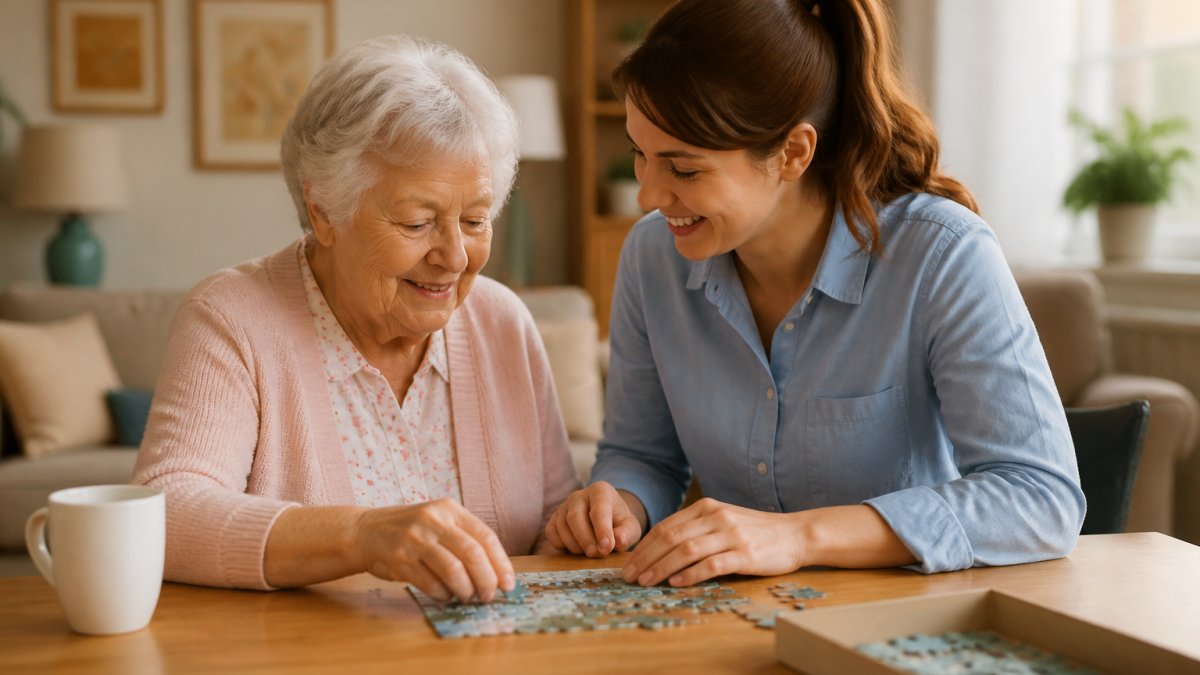
Cognitive stimulation and meaningful engagement
Bingo and TV aren't enough. Residents with dementia need activities that engage their minds and honor their identities, personalized, not one-size-fits-all.
Effective programs include:
- Art, music, and reminiscence activities
- Gardening, cooking, or other hands-on tasks
- Social groups and one-on-one engagement
The goal isn't to keep residents busy. It's to help them feel purposeful and connected.
Memory Care Activities for Residents: Purpose and Connection
Activities in memory care should do what standard programming doesn't: honor the person's life story and remaining abilities.
Life story engagement and personalized programming
Who was your loved one before dementia? What did they love? The best memory care communities use this information to create meaningful engagement.
Life story engagement means:
- Staff learning about residents' histories
- Activities built around individual interests
- Reminiscence work using old photos and familiar objects
This approach, focusing on remaining abilities rather than losses, is the foundation of the I'm Still Here® philosophy that guides care at Emory Mills.
Exercise programs and wellness support
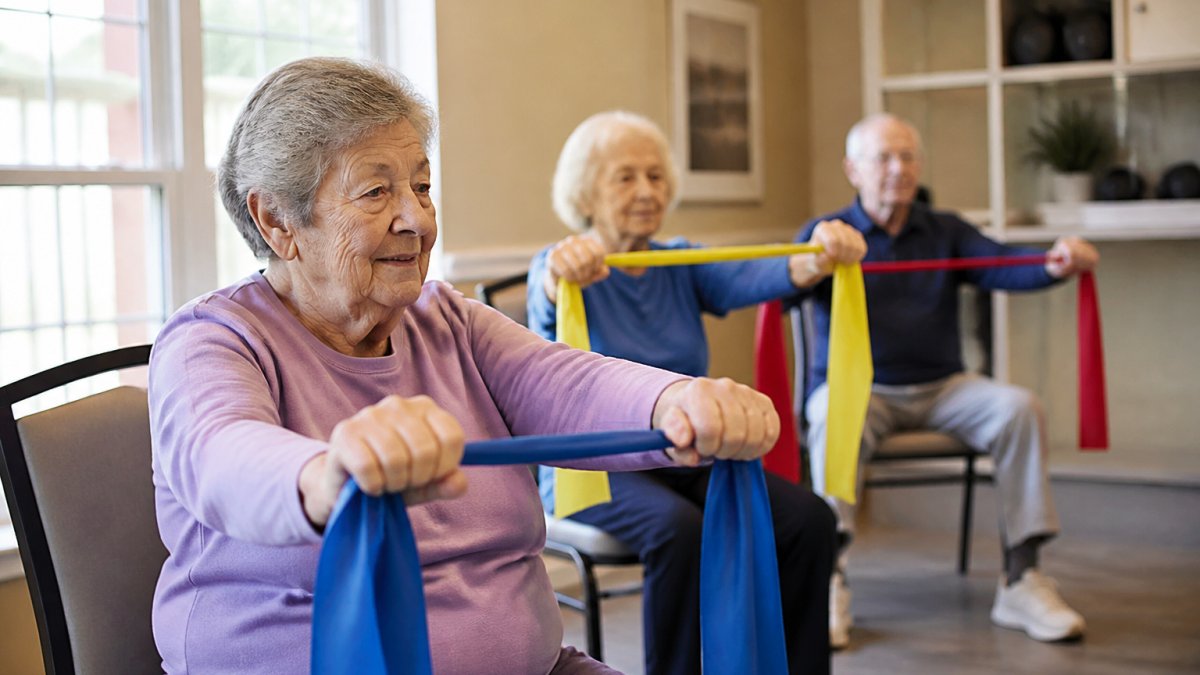
Physical activity slows decline. It improves mood. It helps residents sleep better (pubmed.ncbi.nlm.nih.gov). Yet many memory care communities treat exercise as optional.
Good wellness programs include:
- Daily movement, even for those with limited mobility
- Walking groups, chair exercises, or gentle yoga
- Access to outdoor spaces for fresh air
A resident who moves regularly, engages socially, and feels purposeful experiences better quality of life than one who's simply managed.
Assisted Living vs. Memory Care Amenities: Understanding the Difference
Not everyone in memory care needs the same level of support. Understanding the difference between assisted living and specialized memory care helps you choose correctly.
Care intensity and supervision levels
Assisted living works for seniors who need help with some activities of daily living but can still make decisions and recognize familiar people. Memory care is for those with cognitive decline who need more supervision and specialized care.
Key differences:
| Aspect | Assisted Living | Memory Care |
|---|---|---|
| Supervision | Daytime staff, call buttons | 24/7 staff, active monitoring |
| Wandering risk | Low to moderate | High, requires secured spaces |
| Medication management | Reminders and assistance | Staff administration and tracking |
| Behavioral support | Standard care protocols | Dementia-specific training |
| Activities | Group and individual options | Personalized, ability-focused |
| Care planning | General needs assessment | Detailed cognitive evaluation |
The wrong level of care either leaves someone unsupervised or overprotects them unnecessarily.
Specialized training and behavioral support
Memory care staff need training assisted living staff doesn't: understanding behavioral triggers, communication changes, and how to respond without escalating distress.
Ask whether the community offers:
- Dementia-specific staff training
- Certification in memory care or Alzheimer's care
- Protocols for behavioral episodes
The best communities treat behavioral changes as communication, not problems to suppress. A resident who's agitated might be uncomfortable, confused, or in pain. Good staff investigate.
Evaluating Amenity Quality in Practice
You can tour a beautiful facility and still miss what matters.
When you visit, look for:
In common areas:
- Are residents engaged in activities or sitting passively?
- Do staff greet residents by name and interact naturally?
- Is the environment clean, well-lit, and odor-free?
In dining areas:
- Are meals being served with care and attention?
- Do residents have choices?
- Is the environment social or rushed?
In hallways and outdoor spaces:
- Can residents move safely and independently?
- Are there clear visual cues for orientation?
- Do residents have access to outdoor time?
In conversations with staff:
- Can they describe individual residents' interests and needs?
- Do they talk about residents with respect?
- Can they explain their dementia training?
The best amenities don't just exist on paper, they show up in how residents live every day.
But the real measure isn't our amenities. It's whether residents feel safe, engaged, and valued every single day.
Choosing memory care is one of the hardest decisions families make. At Emory Mills, we combine secure environments with meaningful engagement and compassionate support. Learn more about evidence-based dementia care approaches. Schedule a tour to see how our community honors each resident's life story while providing the specialized care they need. Contact Emory Mills for a personalized consultation
Frequently Asked Questions
What amenities are most important in a dementia care community?
The most critical amenities are secure access systems, trained staff available 24/7, fall prevention features, and meaningful activities tailored to residents' abilities. Environmental design matters too, circular walking paths, clear wayfinding, and familiar spaces reduce confusion and anxiety. Equally important are chef-prepared meals, assistance with activities of daily living, and personalized care plans that honor each resident's life story and remaining strengths.
How should I evaluate a dementia care facility when touring?
Pay attention to how staff interact with residents, do they engage respectfully and know residents by name? Check staffing ratios, especially overnight coverage. Ask about dementia-specific training and how they handle behavioral episodes. Observe the physical environment for safety features like secured entries and fall prevention. Visit during different times of day to see actual daily routines, meal quality, and activity programming. Ask for references from current families and request a detailed care plan example.
What's the difference between assisted living and memory care amenities?
Memory care communities provide higher levels of supervision, secured environments, and specialized staff training focused on dementia behaviors. Assisted living typically supports residents with activities of daily living but less intensive monitoring. Memory care amenities emphasize wayfinding, wandering safety, and dementia-specific programming. Both offer meals and housekeeping, but memory care adds features like secured courtyards, emergency response systems, and activities designed for cognitive stimulation at different dementia stages.
How do memory care communities support residents' safety and independence?
Quality communities balance safety with dignity through secured environments that allow safe wandering, emergency alert systems, and trained staff who respond quickly to falls or behavioral changes. They use fall prevention strategies, accessible design, and 24/7 supervision. Importantly, they foster independence by encouraging residents to participate in activities of daily living at their own pace, make choices about meals and routines, and engage in meaningful activities that build on remaining abilities rather than focusing only on what residents have lost.