 blog
9 Senior Living Social Activities That Build Real Connection
Last Updated: October 24, 2026
Quick Summary
Senior living social activities are the scheduled and informal programs that bring residents together for movement, creativity, shared meals, and friendship. Good programs build a daily routine with a sense of purpose rather than just filling a calendar, and they work best when matched to each resident's life history, current ability, and social preference.
- 79% of older adults say social interaction drove their decision to move into senior living.
- Offer a standing and a seated version of every movement activity so all ability levels can join.
- Capture life history, current ability, and social preference during intake, and recheck ability monthly.
- For dementia, use small groups of two to four people at the same time each day to lower anxiety.
- Track attendance, repeat attendance, new participants, and withdrawal flags each month to measure engagement.
Table of Contents
- Why Social Engagement Is the Top Reason Older Adults Choose Senior Living
- 9 Senior Living Activity Ideas That Residents Actually Show Up For
- Assisted Living Activities for Seniors: Matching the Plan to the Person
- Meaningful Activities for Seniors With Dementia
- Ways to Encourage Seniors to Participate in Activities Without Pressure
- What a Week of Engagement Looks Like: A Sample Activity Calendar
- How to Measure Whether Activities Are Working
- Scheduling a Tour to See Engagement in Action
- Frequently Asked Questions
Why Social Engagement Is the Top Reason Older Adults Choose Senior Living
Senior living social activities are the leading reason older adults move into senior living. According to CCL Hospitality Group's 2026 wellbeing trends report, 79% of older adults say social interaction drove their decision to move.
Nearly 1.4 million Americans live in more than 31,000 assisted living communities, per Argentum's 2026 report on assisted living. The average annual cost runs about $70,800. Families weighing that cost deserve to know what they're paying for, and the answer is often connection, not just care.
Senior living social activities are the scheduled and informal programs that bring residents together for movement, creativity, shared meals, and friendship. Good programs do more than fill a calendar.
Loneliness is a health issue, not a mood. Research in a 2025 SAGE Open study on life experiences and social participation found that past life experiences shape how readily older adults join group activities in assisted living.
Our approach is person-centered: we learn each resident's life story, then build engagement around it. You can read more about how our care team puts that into practice, or explore the social benefits of assisted living in more depth.
9 Senior Living Activity Ideas That Residents Actually Show Up For
The best senior living activity ideas share one trait: they give residents a reason to walk in the door. Below are the nine formats that consistently draw participation, grouped by the kind of energy they require.

Movement That Fits Every Ability Level
- Chair yoga and stretching. Seated poses build balance and flexibility without floor work. Ideal for residents with mobility limits.
- Walking clubs. Short indoor or courtyard loops, done in pairs or small groups. The conversation matters as much as the steps.
- Low-impact fitness classes. Light resistance bands, seated marching, and balance drills. Offer a standing and a seated version of every move.
- Water aerobics. Warm-water classes reduce joint strain. Best for communities with pool access or a nearby partner facility.
- Gardening and nature activities. Raised beds, container planting, and birdwatching. Outdoor time counts as both exercise and social connection.
Creative, Musical, and Social Gatherings
- Arts and crafts workshops. Painting, pottery, and hands-on projects. Display finished work where families can see it.
- Music groups and dance sessions. Sing-alongs, drum circles, and seated dance. Music reaches residents that conversation sometimes cannot.
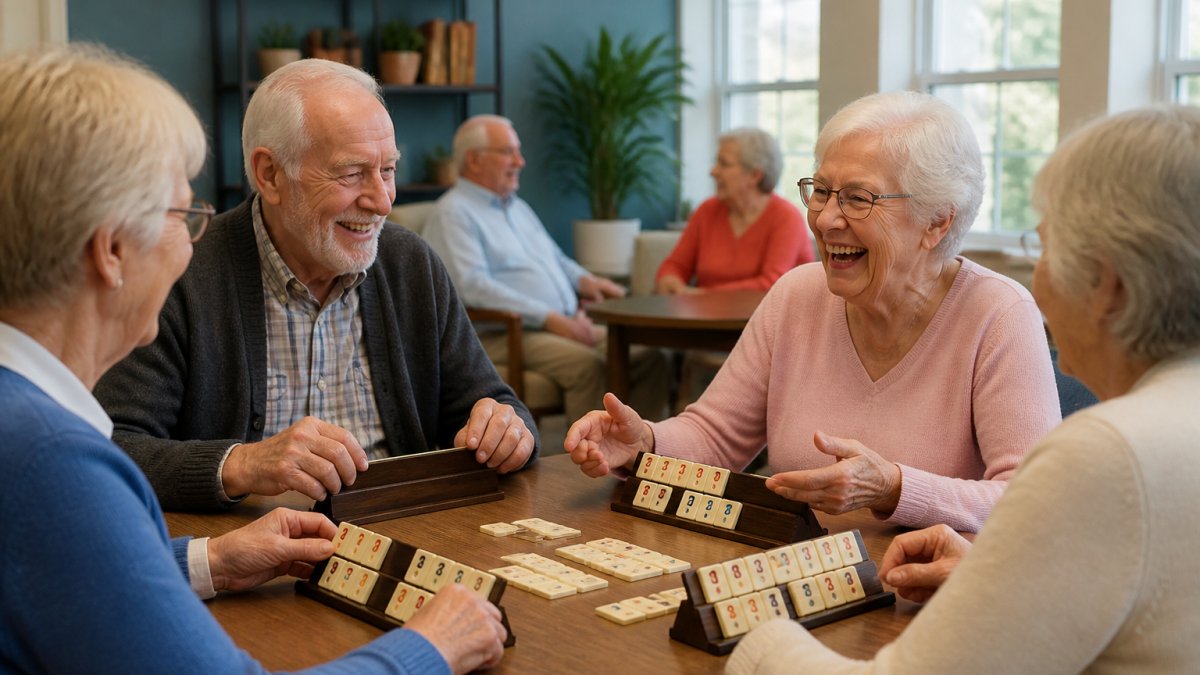
- Games, trivia, cards, and bingo. Familiar and low-pressure. Game nights work best in small tables of four to six.
- Book clubs, group outings, and community events. Reading groups, museum trips, and intergenerational visits with local schools.
The pattern is deliberate. Every resident should find at least one option that fits their body and one that fits their interests.
Assisted Living Activities for Seniors: Matching the Plan to the Person
Assisted living activities for seniors work when they start with the resident, not the calendar. A packed schedule means nothing if half the residents never leave their rooms.
Here is the mistake we see most often. Activity directors build a program around what's easy to run, then wonder why turnout is thin. The fix is a short intake process that captures three things:
- Life history. Career, hobbies, faith, family roles, and the activities they loved at 40.
- Current ability. Mobility, vision, hearing, and stamina. Recheck this monthly.
- Social preference. Group size and noise level. Some residents thrive in a crowd of twenty. Others shut down.
Assisted living communities that use engagement technology to give residents equal access to event sign-ups report stronger connections and more motivation to join in, according to LeadingAge's case studies on social connectedness technology.
Resident-led activities matter here too. PwC's 2026 senior housing outlook projects average occupancy above 90% and points to resident-led programming as a growing priority.
Meaningful Activities for Seniors With Dementia
Meaningful activities for seniors with dementia focus on remaining abilities, not lost ones. The goal is engagement at the person's current stage, with no pressure to perform.
A 2024 study in PubMed Central on quality of life in assisted living examined how residents experience daily life in these communities. Quality of life tied closely to feeling known and included, not to the number of activities offered.
What works in practice:
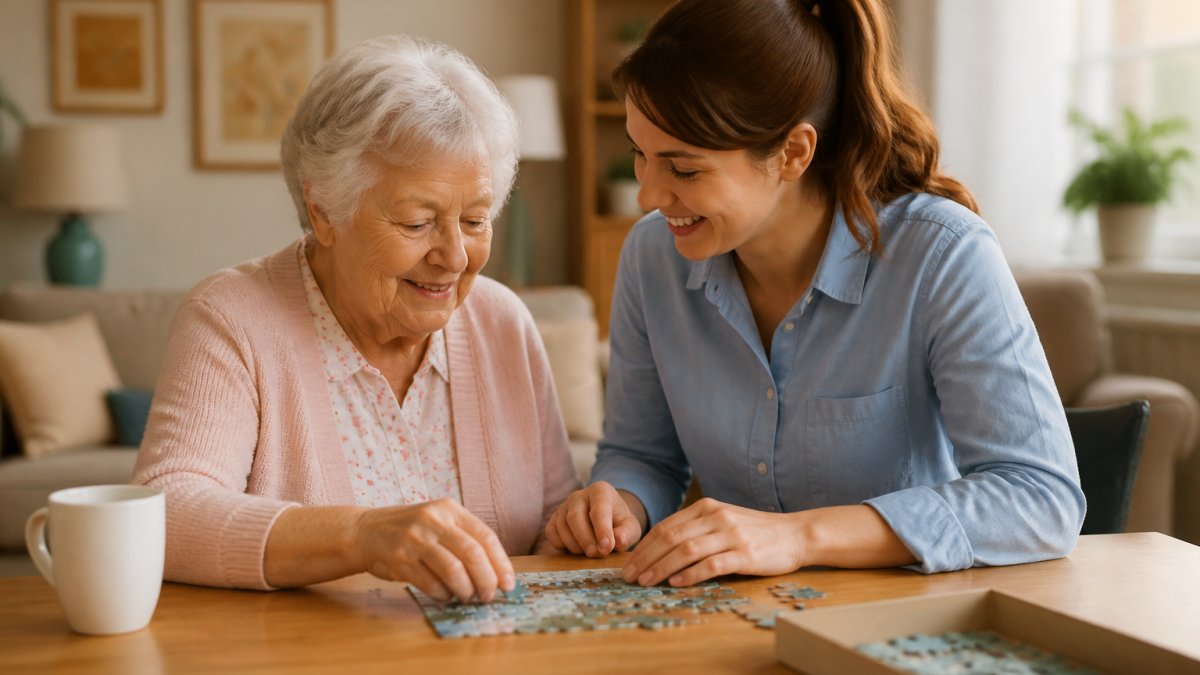
- Sensory activities. Sorting fabrics, folding towels, handling garden herbs. Simple tasks with a visible result.
- Music from their era. Familiar songs often prompt singing and conversation when questions do not.
- Life-story projects. Photo albums, memory boxes, and recipe sharing. These honor identity.
Most guides stop at the activity list. The harder question is how to adapt each activity for residents with hearing loss, vision loss, or limited mobility, and how to match the task to the stage of dementia. A few practical adjustments make the difference between an activity that includes everyone and one that quietly excludes half the room:
- Hearing loss. Face the resident when speaking, lower background noise by turning off televisions during group activities, and use a personal amplifier or written cue cards. For music, choose songs with clear lyrics and moderate volume rather than loud percussion.
- Vision loss. Use high-contrast materials, large-print song sheets and bingo cards, and tactile objects such as textured fabrics or raised-line puzzles. Describe what is happening in the room so residents who cannot see still feel part of it.
- Mobility limits. Offer every activity in a seated version, keep supplies within arm's reach, and place tables at wheelchair height. For outings, confirm step-free access and accessible restrooms before departure.
Emory Mills uses the evidence-based I'm Still Here® philosophy, developed through our partnership with the Hearthstone Institute. It means we plan around what a resident can still do and who they have always been. Families weighing dementia programming can also read our review of whether cognitive stimulation therapy is worth it.
Ways to Encourage Seniors to Participate in Activities Without Pressure
Ways to encourage seniors to participate in activities should lower the barrier, never raise the ask. Invitations work. Assignments do not.
Try these approaches:
- Invite once, then follow up. "We're starting in ten minutes, want to walk down with me?" beats a printed schedule.
- Offer a companion. Pair a new resident with a regular attendee for the first session.
- Start small. A five-minute visit to the craft room counts as a win.
Watch out: forcing attendance, or publicly calling out a resident who skipped, tends to backfire. It turns an invitation into a test, and residents who feel tested stay in their rooms.
What a Week of Engagement Looks Like: A Sample Activity Calendar
A balanced week mixes movement, creativity, and quiet social time. Here is a sample structure to adapt:
| Day | Morning | Afternoon | Evening |
|---|---|---|---|
| Monday | Chair yoga | Arts and crafts | Card games |
| Tuesday | Walking club | Book club | Music group |
| Wednesday | Fitness class | Gardening | Trivia night |
| Thursday | Stretching | Group outing | Movie and popcorn |
| Friday | Water aerobics | Painting workshop | Social hour |
| Saturday | Family visits | Bingo | Seated dance |
| Sunday | Quiet reading | Resident-led garden club | Sing-along |
Two rules keep a schedule like this working. First, every day needs one low-energy option for residents having a hard day. Second, leave gaps. A calendar with no white space is a calendar nobody follows.
Most activity calendars stop at the grid. The difference between a schedule that looks good on paper and one residents actually follow comes down to four implementation choices:
- Staffing ratios. Plan one staff member or trained volunteer per eight to ten participants for group activities, and one-to-one support for residents with dementia or significant hearing or vision loss. A single activity director cannot run chair yoga and a gardening session at the same time, so stagger start times by at least 30 minutes.
- Time-of-day fit. Many older adults peak in mid-morning and lose energy after lunch. Put demanding activities like fitness classes and outings before noon, and reserve afternoons for lower-key crafts, reading, and social hour. Evening programs should end early enough that residents can keep their usual bedtime.
- Accessibility check. Before publishing a calendar, confirm each activity has a seated version, a quiet alternative, and a clear path for wheelchairs and walkers. Large-print schedules and verbal reminders at meals matter as much as the activities themselves.
Build the calendar two weeks out and leave one open slot per day. That white space is where resident-led ideas, family visits, and spontaneous birthday celebrations fit without displacing planned programs. ::: These flexible gaps also provide the perfect opportunity to introduce meaningful family games that bridge the generational divide and foster deeper emotional bonds.
To see how this looks in practice, view our community calendar for current events and programs.
How to Measure Whether Activities Are Working
Engagement is measurable, and it should be. Track four numbers each month:
- Attendance rate by activity, not just overall.
- Repeat attendance. Residents who come back are the real signal.
- New participants. How many residents tried something for the first time.
Then ask residents directly. A short monthly check-in ("What did you enjoy? What should we drop?") gives better data than any spreadsheet.
What most guides miss is that a full room is not the same as a connected resident. Twenty people in a lecture hall can be lonelier than four people at a card table. Measure friendship, not headcount.
Scheduling a Tour to See Engagement in Action
Visit during an activity, not between them. A tour at 2 p.m. on a Tuesday shows you the real energy of a community, not a staged lobby.
Questions worth asking on your visit:
- What happens when a resident refuses to join in?
- How are activities adapted for residents with dementia or hearing loss?
- Who leads programming, and what training do they have?
Before you visit, watch our community videos to see the care approach and resident experiences for yourself.
Frequently Asked Questions
What social activities are common in senior living communities?
Most communities run a mix of movement, creative, and social programs: chair yoga, stretching, walking clubs, arts and crafts, music groups, book clubs, trivia, game nights, bingo, and group outings. The best programs also include resident-led activities and virtual or intergenerational options. At Emory Mills, the activity calendar is built around resident interests and remaining abilities rather than a one-size-fits-all schedule, so the mix shifts as residents' needs change.
How can families help a loved one stay socially engaged in senior living?
Start with what your parent already enjoyed. Share hobbies, routines, and life history with the activity team so they can build on familiar interests. Then look for ways to encourage seniors to participate in activities without pressure: attend a tour or event together, ask which activities sound interesting, and focus on the activity itself rather than whether they joined. A 2026 CCL Hospitality Group report found 79% of older adults chose senior living for social interaction, so connection is a shared goal, not an add-on.
What are meaningful activities for seniors with memory loss?
Meaningful activities for seniors with dementia focus on remaining abilities, not lost ones. Examples include folding towels, sorting photos, listening to familiar music, simple gardening tasks, and small-group crafts. The I'm Still Here® philosophy used at Emory Mills builds activities around each resident's life story and current strengths. Research published in SAGE Open in 2025 found that past life experiences shape how older adults participate socially, which is why personal history matters more than a generic activity list.
How do senior living communities encourage residents to participate?
Effective approaches include offering choices rather than announcements, keeping groups small, scheduling around natural routines, and giving residents meaningful roles such as leading a club or greeting new neighbors. Early, personal outreach matters.
Choosing a community comes down to one question: will your parent have a reason to get up in the morning? At Emory Mills, we build that reason around each resident's life story, using the I'm Still Here® philosophy from our Hearthstone Institute partnership. Our 33 assisted living and 13 memory care suites, chef-prepared meals, and 24/7 support give families a place where engagement is the point, not an afterthought. Get started with Emory Mills and schedule a tour to see a day in progress.