 blog
blog
Benefits of Specialized Dementia Care Facilities
Table of Contents
- What Specialized Dementia Care Actually Provides
- Memory Care vs Assisted Living: Understanding the Difference
- How 24-Hour Supervision and Dementia-Trained Staff Make a Difference
- Dementia Care Activities That Support Cognitive Function and Engagement
- Safety, Autonomy, and Person-Centered Care in a Secure Environment
- When to Move to Memory Care: Recognizing the Right Time
- How to Choose a Memory Care Facility That Matches Your Loved One's Needs
- Frequently Asked Questions
Last Updated: October 10, 2026
What Specialized Dementia Care Actually Provides
Specialized dementia care is residential support designed specifically for people with memory loss and cognitive decline. Unlike general assisted living, these facilities focus on dementia-specific needs with trained staff and safety-focused environments.
At Emory Mills, our specialized dementia care combines secure surroundings with activities that honor each person's abilities and life story, using the evidence-based I'm Still Here® philosophy, which focuses on what residents can still do rather than what they've lost.
Memory Care vs Assisted Living: Understanding the Difference
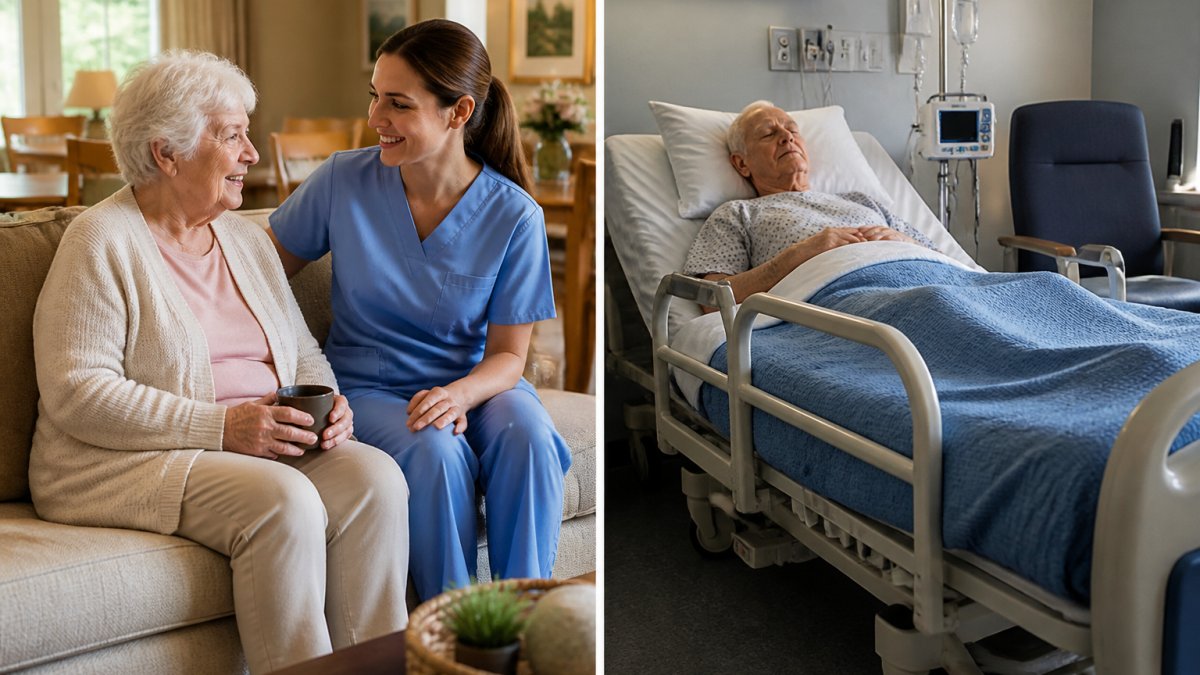
Memory care and assisted living serve different needs. Assisted living helps with daily tasks like bathing and medication; memory care addresses behavioral and cognitive challenges of dementia.
Here's what sets them apart:
| Aspect | Assisted Living | Memory Care |
|---|---|---|
| Supervision | Daytime staff available | 24-hour staff present |
| Environment | Standard apartment-style | Secure, dementia-friendly design |
| Staff Training | General caregiving | Dementia-specific certification |
| Activities | General programs | Cognitive stimulation tailored to abilities |
| Behavioral Support | Limited | Specialized response to confusion, agitation |
The key difference is training and environment. Memory care staff understand that behavioral changes reflect disease symptoms, not willful misbehavior, and know how to respond appropriately.
Memory care is appropriate when someone gets lost in familiar places, forgets medications, or needs help understanding their surroundings.
How 24-Hour Supervision and Dementia-Trained Staff Make a Difference
Round-the-clock supervision changes everything. A person with dementia might wake at 3 AM confused and frightened; in memory care, a trained staff member is there to help.
What Dementia-Trained Staff Actually Know
Dementia-trained staff recognize that behavioral changes are disease symptoms, not character flaws.
This training prevents unnecessary hospital visits and repeated emergency room visits that traumatize residents and strain family finances.
Concrete Staffing Standards to Verify
When a facility says they offer "24-hour supervision," ask these specific questions:
- Day shift (typically 7 AM-3 PM): What's the staff-to-resident ratio? (Reputable facilities maintain 1 caregiver per 4-6 residents during the day)
- Evening shift (typically 3 PM-11 PM): What's the ratio? (Often 1 per 6-8 residents as activity decreases)
- Night shift (11 PM-7 AM): What's the ratio? (This is critical; many facilities cut corners here. Ask whether there's at least 1 staff member awake and present per 8-10 residents, and whether they can respond quickly to call lights or emergencies)
- Is there a registered nurse (RN) on-site 24/7, or on-call? (On-site is better for medication management and medical emergencies; on-call means a delay in response)
- What certifications do caregivers have? (Certified Nursing Assistant, Certified Dementia Practitioner, or equivalent? Or just general caregiving experience?)
- How is training documented and verified? (Ask whether staff complete initial dementia training before hire and ongoing education annually)
- What's the staff turnover rate? (High turnover (above 50% annually) means residents don't build relationships with consistent caregivers, and new staff may not be fully trained)
How Training Reduces Falls, Injuries, and Hospitalizations
Trained caregivers recognize fall risks and distinguish medical emergencies from situations requiring reassurance. Research shows facilities with higher staffing levels and better-trained staff have fewer falls, hospitalizations, and preventable injuries.
Questions to Ask About Actual Staffing
- Request the current staffing schedule and verify ratios by visiting at different times.
- Ask whether dementia-specific training is required before hire and refreshed annually.
- Ask about reliance on agency or temporary staff and how incidents are reported and used to improve care.
Red Flags in Staffing
- Staff can't tell you the current staffing ratio or say "it varies"
- High turnover or difficulty naming the current care team
- Reliance on agency or temporary staff for regular shifts
- No documentation of dementia-specific training
- Residents appear unsupervised or waiting long periods for assistance
- Staff seem rushed, irritable, or unable to answer questions about residents' needs
The Alzheimer's Association's guidance on care environments emphasizes that trained staff and 24-hour supervision significantly reduce hospitalizations and improve outcomes for people with advanced dementia. Centers for Medicare & Medicaid Services (CMS) staffing requirements for skilled nursing facilities sets minimum staffing standards, though memory care units may have different requirements depending on licensing.
Dementia Care Activities That Support Cognitive Function and Engagement
Meaningful activities are essential for brain health and emotional well-being. The I'm Still Here® philosophy guides our approach at Emory Mills: building activities around what each person can still do, not what they've lost.

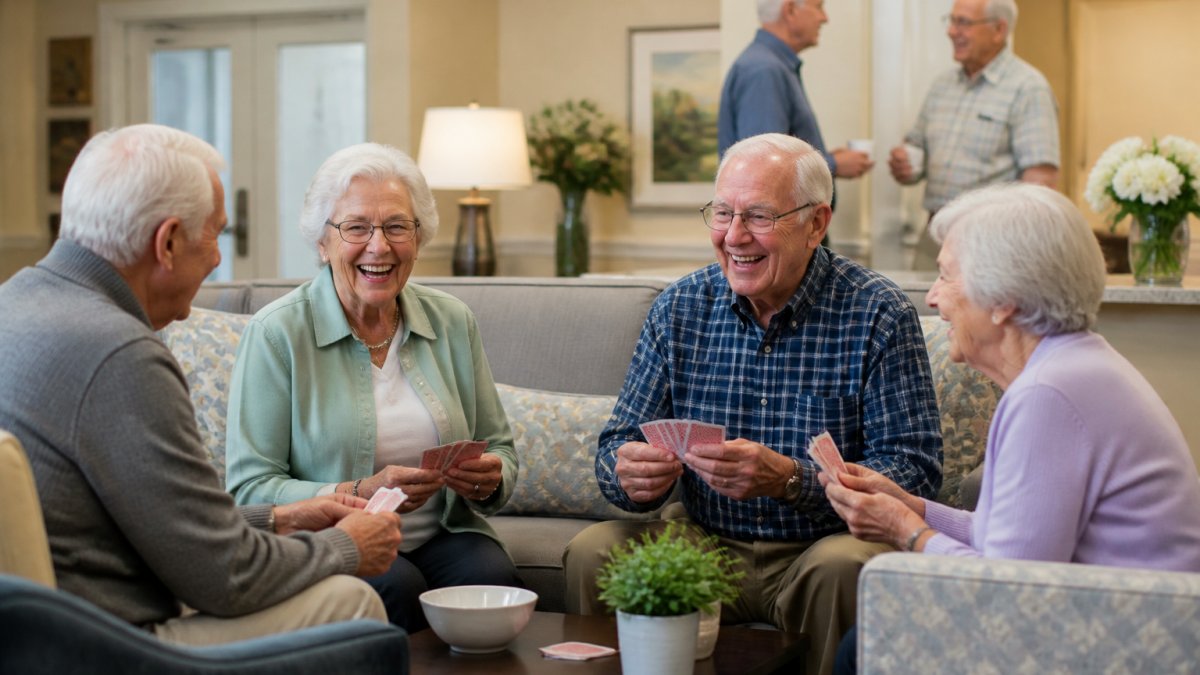
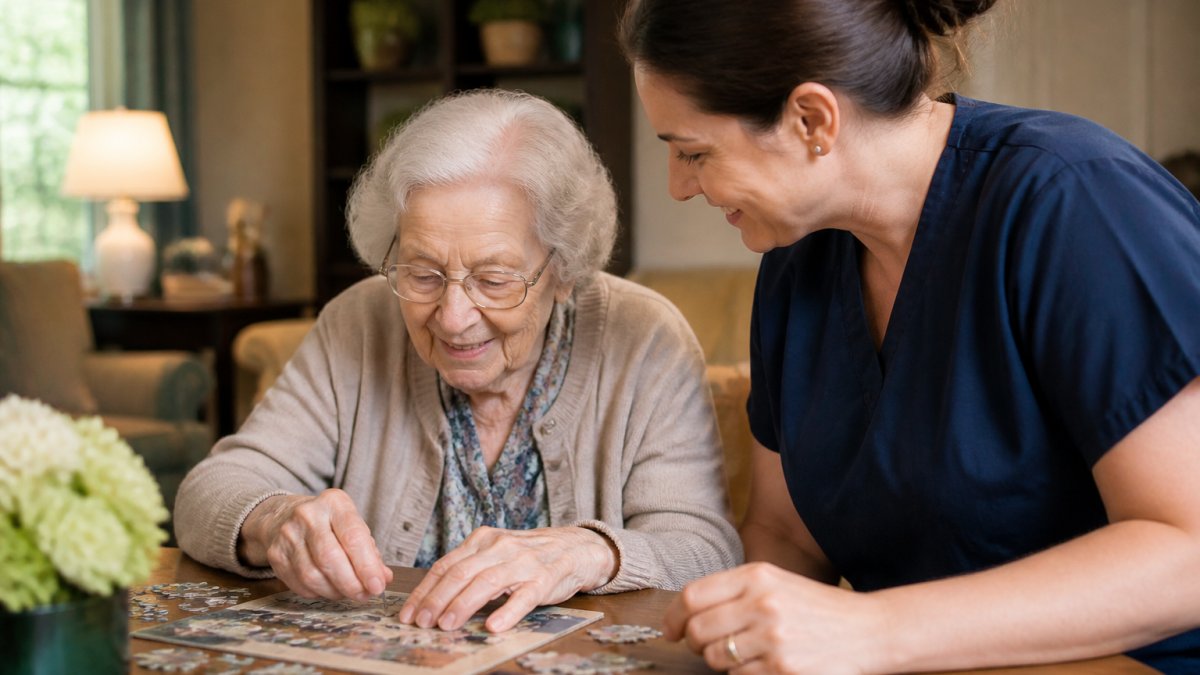
Good dementia care includes art and music therapy, gardening, cooking, reminiscence activities, and structured social time. These provide cognitive stimulation, reduce behavioral problems, and help residents feel like they're contributing.
Safety, Autonomy, and Person-Centered Care in a Secure Environment
A secure environment allows more freedom, not less. A dementia-friendly environment includes secure entry and exits, clear signage, safe outdoor spaces, and private rooms. Residents should choose what to wear, when to eat, and how to spend their time within the safety structure, preserving dignity and reducing behavioral problems.
Research on person-centered care in dementia settings shows that residents in facilities that prioritize individual preferences and autonomy have better outcomes and fewer behavioral challenges.
When to Move to Memory Care: Recognizing the Right Time
Signs it's time for memory care: repeated falls, getting lost in familiar places, forgetting medications or meals, wandering at night, or behavioral changes home caregivers can't manage. The right time is when home care stops being safe and when the primary caregiver's health is at serious risk. Moving a loved one to specialized dementia care can improve family relationships by allowing family members to visit and enjoy their loved one without constant caregiving stress.
How to Choose a Memory Care Facility That Matches Your Loved One's Needs
Choosing memory care requires understanding what each facility actually offers, whether it matches your loved one's needs, and the true financial commitment.
Start with these evaluation criteria:
Staffing and Training
- What certifications do staff members have? (Look for Certified Dementia Practitioner or Certified Nursing Assistant)
- What's the staff-to-resident ratio during day, evening, and overnight shifts? (Ask for written documentation)
- What's the annual turnover rate? (Rates above 50% suggest instability)
- How do they train staff on dementia-specific communication and behavioral response?
- Do they employ a registered nurse (RN) on-site 24/7?
Environment and Safety
- Is the facility secure? How do they prevent wandering?
- Are hallways clear and well-lit with easy-to-follow signage?
- Are there safe outdoor spaces where residents can move freely?
- What's their fall prevention approach?
- How many residents are in the unit? (Overcrowding increases safety risks)
Activities and Engagement
- What activities are available and are they tailored to different cognitive levels?
- How often do residents participate in meaningful activities? (Ask for a sample weekly schedule)
- Is there a dedicated activities director?
Medical and Behavioral Support
- How do they handle behavioral episodes? What's their approach to de-escalation? (Ask for a specific example)
- Can they manage common medications and health conditions? (Ask whether they can administer insulin, manage heart conditions, or handle other specific needs)
- When do they call for emergency services versus managing situations in-house?
- What's their policy on antipsychotic medications? (Overuse is a red flag; ask how many residents are on these medications and whether they're reviewed regularly)
- Do they have a psychiatrist or geriatrician who reviews medications regularly?
Family Communication and Involvement
- How often do they update families on resident status? (Daily, weekly, or only when problems arise?)
- Can family members participate in care planning meetings?
- Are visiting hours flexible, including evenings and weekends?
- Do they involve families in activities and decisions?
Cost, Payment Options, and Financial Transparency
- What's the base monthly cost and what does it include? What costs extra?
- Do they charge differently based on dementia stage or care level?
- What payment methods do they accept (private pay, insurance, Medicaid, Veterans benefits)?
- If they accept Medicaid, does it cover the same services as private pay?
- What's their policy on rate increases and advance notice?
- Is there a contract? Review cancellation policies and refund terms.
- Do they offer a trial period or respite care?
- What's their policy if a resident's funds run out?
Inspection Records and Regulatory Compliance
- Ask to see the facility's most recent state inspection report. (These are public records; any facility that refuses to share them is a red flag)
- Are there any citations for safety, staffing, or care violations?
- How do they respond to citations? (Do they have a plan to correct problems?)
- Ask whether they're accredited by The Joint Commission or another recognized body.
Questions to Ask Current Residents and Family Members
- Tour at least two or three facilities at different times (morning, afternoon, evening).
- Ask to speak with current residents and family members. Facilities should facilitate this; refusal is concerning.
- Ask families: "Would you recommend this facility? What surprised you? How responsive is staff?"
- Ask whether families feel their loved one is thriving or just being supervised.
Red Flags to Watch For
- Staff can't answer basic questions about staffing, training, or care approach
- Facility is unwilling to share inspection records or staffing information
- Residents appear sedated, isolated, or not engaged in activities
- Staff seem rushed, irritable, or dismissive of residents or family questions
- High staff turnover or difficulty naming the current care team
- Facility discourages family visits or involvement
- Cost structure is unclear or changes frequently
- No written care plan or family communication system
At Emory Mills, we welcome families to tour our 13 specialized memory care suites. We're transparent about our I'm Still Here® philosophy, individualized care plans, and multiple payment options.
Frequently Asked Questions
What are the main benefits of specialized dementia care compared to general assisted living?
Specialized dementia care facilities employ staff trained specifically in dementia behavior, communication, and care techniques. They offer 24-hour supervision, individualized care plans tailored to each person's stage of dementia, and environments designed to reduce disorientation and support safety. General assisted living may not have the same level of dementia-specific training, behavioral support, or secure design features. Specialized facilities focus on preserving remaining abilities and quality of life through person-centered care and meaningful activities.
How do dementia care activities differ from typical senior community programs?
Dementia care activities are specifically designed to support cognitive function, social engagement, and emotional well-being at different stages of memory loss. These may include art therapy, music therapy, pet therapy, and structured routines that provide cognitive stimulation without causing frustration. They build on a person's life story and remaining abilities rather than treating activities as simple entertainment. Staff are trained to adapt activities based on individual interests, preferences, and cognitive abilities.
When should a family consider moving a loved one to memory care?
Consider memory care when a person with dementia experiences frequent falls, gets lost at home, requires 24-hour supervision, has behavioral episodes that are unsafe or difficult to manage, or needs help with multiple activities of daily living like bathing and medication management. If the primary caregiver is experiencing burnout or cannot safely provide the level of care needed, memory care becomes important. A consultation with the person's healthcare provider can help determine the right time based on their specific stage and needs.
How can families verify that a memory care facility has adequate staffing and quality supervision?
Ask about staff-to-resident ratios, especially during night shifts when falls and emergencies are common. Inquire about staff training certifications, dementia care experience, and turnover rates. Request information about how incidents are documented and reported to families. Visit at different times of day to observe care in action. Ask about the facility's partnership with healthcare providers and how medical emergencies are handled. Quality facilities welcome these questions and provide transparent, detailed answers about their staffing levels and safety measures.