 listicle
Senior Living Communities With 24-Hour Care: A Guide
Table of Contents
- What Is 24-Hour Care in Senior Living Communities?
- Levels of Care Explained: Assisted Living vs. Memory Care
- Memory Care vs. Assisted Living Costs: What to Budget
- Activities of Daily Living Support: What's Included
- Staff-to-Resident Ratios and Overnight Care Coverage
- Medication Management and Health Monitoring Services
- How to Evaluate and Choose the Right Community
- Conclusion
Last Updated: August 24, 2026
What Is 24-Hour Care in Senior Living Communities?
24-hour care in senior living communities refers to round-the-clock support and supervision designed to meet residents' evolving needs throughout the day and night. Unlike independent living, where residents manage most daily tasks themselves, senior living communities with 24 hour care provide continuous access to trained staff, medical oversight, and assistance with activities of daily living.
At Emory Mills, we understand that 24-hour care isn't one-size-fits-all. Some residents need minimal assistance with specific tasks, while others require comprehensive support across multiple areas. The goal is to maintain dignity and independence while ensuring safety and well-being. A true 24-hour care community staffs the building around the clock, with trained caregivers present during night shifts, not just an on-call system that responds hours later. This distinction matters because many facilities claim 24-hour coverage but actually mean 24-hour availability through a call system. Real 24-hour care means staff physically present in the community at all times, ready to respond immediately to falls, medical emergencies, or behavioral episodes.
Levels of Care Explained: Assisted Living vs. Memory Care
Understanding the difference between assisted living and memory care is essential when evaluating senior living communities with 24 hour care.
Assisted living serves residents who need help with activities of daily living, bathing, dressing, medication management, meal preparation, but who remain cognitively intact and capable of making their own decisions. Residents typically have their own private or semi-private apartments and participate in community activities. Staff are available 24/7 for support, but the focus is on maintaining independence and autonomy.
Memory care is specialized residential care for individuals with Alzheimer's disease, dementia, or other cognitive decline. Staff in memory care units are trained in dementia-specific approaches, understanding how to redirect agitated residents, communicate with those who've lost language skills, and maintain safety in a secure environment. Memory care communities typically feature locked units, specialized activities designed for cognitive engagement, and staff trained in the I'm Still Here® philosophy or similar evidence-based approaches that honor residents' remaining abilities.
The staffing and environment differ significantly. Assisted living communities may have one caregiver per 10-15 residents during day shifts; memory care units typically maintain lower ratios because residents require more hands-on support and behavioral management. Both levels offer 24-hour care, but the nature of that care differs. Choosing between them depends on whether a resident's primary need is physical assistance (assisted living) or cognitive and behavioral support (memory care).
Memory Care vs. Assisted Living Costs: What to Budget
Cost is often the first question families ask when exploring senior living communities with 24 hour care, and the answer varies significantly depending on care level, location, and services included.
Memory care communities generally cost more than assisted living because they require specialized staffing, smaller resident-to-staff ratios, and specialized training in dementia care. In the Knoxville area, assisted living and memory care pricing varies depending on the community and the level of support required.
What's included in pricing varies widely. Some communities include meals, activities, and basic assistance in their base rate. Others charge separately for specialized services like medication management oversight, physical therapy, or higher levels of personal care assistance. Before comparing prices across communities, ask specifically what's included in the base monthly rate: meals, activities, basic assistance, medication management, housekeeping, laundry, utilities, and 24-hour staffing. Then ask what costs extra: additional personal care, specialized therapies, incontinence supplies, hospice care, transportation, and special dietary needs. Many families find that a higher base rate including comprehensive services often costs less overall than a lower rate with extensive add-ons.
Activities of Daily Living Support: What's Included
Activities of daily living (ADL) support is the core of what senior living communities with 24 hour care actually provide.
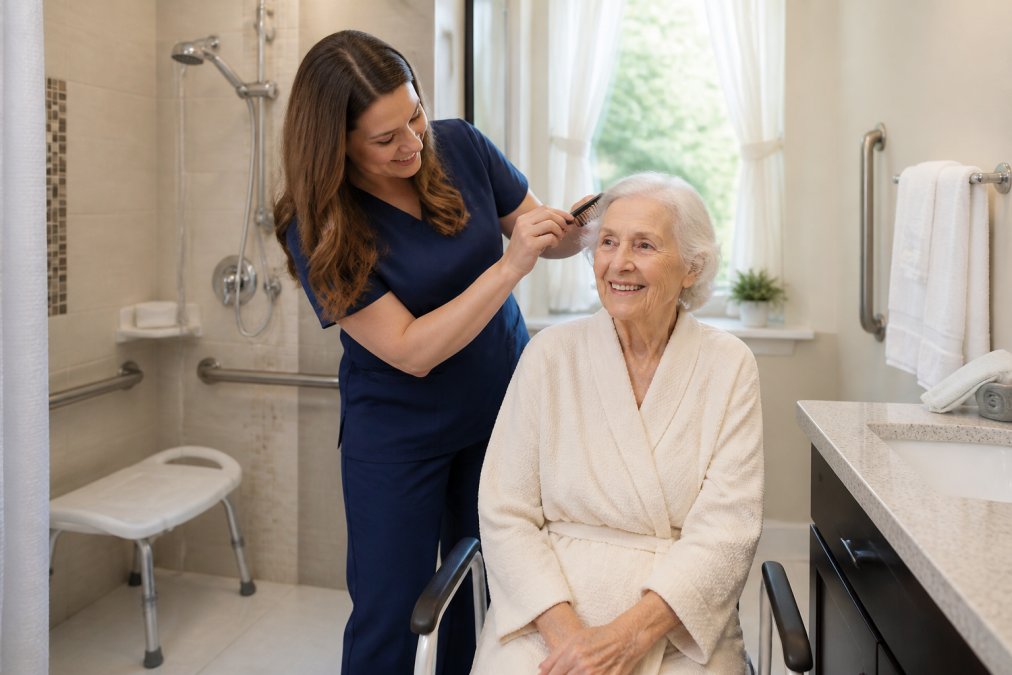
The standard ADLs that communities assist with include bathing and showering, dressing, grooming, toileting, continence care, and eating. Medication management is another critical ADL service where staff supervise residents taking medications, remind them when doses are due, or administer medications directly depending on state regulations and the resident's needs. Meal preparation and eating assistance are included, though quality and flexibility vary. Most communities provide chef-prepared meals in a dining room setting, which offers both nutrition and social engagement. Housekeeping and laundry services are typically included, reducing stress and maintaining a clean, safe living space. Transportation for medical appointments, activities, and community outings is often included or available for a fee.
The real variation comes in specialized ADL support. Residents with advanced dementia may need assistance with eating due to swallowing difficulties. Residents with Parkinson's or arthritis may need adaptive equipment and specialized assistance with dressing. Communities with strong ADL support staff can handle these variations; others may struggle or charge significant add-ons.
| ADL Service | Typically Included | Often Extra | Varies by Community |
|---|---|---|---|
| Bathing/showering assistance | Yes | No | Frequency, one-on-one vs. group |
| Dressing and grooming help | Yes | No | Level of hands-on assistance |
| Toileting and continence care | Yes | Sometimes | Frequency, specialized products |
| Medication management | Yes | No | Administration vs. supervision |
| Meal preparation and dining | Yes | No | Dietary accommodations, assistance level |
| Housekeeping and laundry | Yes | No | Frequency, special requests |
| Transportation | Often | Sometimes | Frequency, distance limitations |
| Specialized therapies | No | Yes | Physical, occupational, speech |
| Wound care or medical procedures | No | Yes | Nurse-supervised care |
Staff-to-Resident Ratios and Overnight Care Coverage
One of the most critical aspects of senior living communities with 24 hour care is who's actually on staff during night hours and what those staff members can realistically handle.
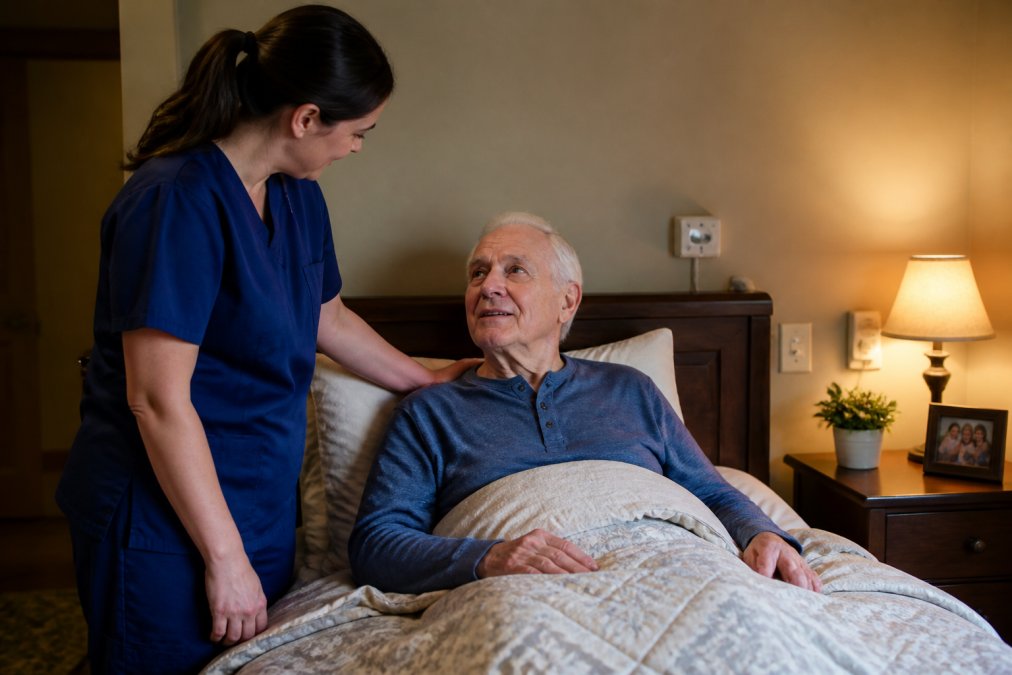
During daytime hours, assisted living communities typically maintain ratios of one staff member per 10-15 residents (the CDC). Memory care units maintain lower ratios, often one staff member per 6-8 residents, because residents require more hands-on assistance and supervision (the CDC). Nighttime staffing is where the real differences emerge. Some communities maintain the same staffing levels around the clock. Others significantly reduce night staff, relying on call systems or rapid-response protocols. A community with one caregiver for 30 residents on the night shift cannot provide the same level of immediate response as one with multiple staff members present.
Ask specifically: How many staff members are physically present during night shifts? What is their training level? What's the protocol when a resident falls or has a medical emergency at 2 AM? This matters enormously for residents with memory care needs, where nighttime wandering, agitation, and behavioral episodes are common. Some communities use technology to supplement staffing, bed sensors, fall-detection devices, or video monitoring, but these tools don't replace human presence. When evaluating a community, request their staffing schedule in writing and ask about staff training, turnover rates, and whether staff are employees or contractors.
Medication Management and Health Monitoring Services
Medication management is one of the most critical services provided by senior living communities with 24 hour care, yet quality varies dramatically.
Many seniors take multiple medications for heart conditions, diabetes, arthritis, depression, and other chronic conditions. Missing doses, taking the wrong dose, or taking medications at the wrong time can lead to serious health consequences (the NIH). For residents with memory care needs, the risk is even higher because they may forget they've already taken a dose or refuse medication because they don't remember why they need it.
Communities handle medication management in several ways. Some staff members administer medications directly, opening the medication bottle, verifying the dose, and watching the resident take it. Others supervise residents taking their own medications. Some use medication reminder systems or locked medication dispensers that release the correct dose at the correct time. A community where a staff member personally hands a resident their medication and watches them take it provides much higher assurance of compliance than a system where residents are reminded where their medications are and expected to take them independently.
Health monitoring goes beyond medication management. Communities should track residents' vital signs, weight, appetite, mood, and mobility. Changes in these indicators can signal infections, medication side effects, or declining health that requires medical intervention. Ask whether the community has nursing staff on-site during daytime hours, whether there's a nurse available by phone 24/7, and what the protocol is for health changes. Ask how often vital signs are checked, whether weight is monitored monthly, and how medication compliance is verified.
How to Evaluate and Choose the Right Community
Choosing a senior living community with 24 hour care is one of the most important decisions a family makes. Here's how to evaluate communities systematically.
Visit in person, multiple times. Virtual tours are convenient, but they don't reveal the real community. Visit during different times of day, morning, afternoon, and evening, to see actual operations. Visit unannounced if possible; communities on notice tend to look better than they do on a typical day.
Observe staff interactions with residents. Do staff members speak to residents respectfully? Do they use residents' names? Do residents seem engaged and content? Watch how staff respond when a resident asks for help. These observations tell you more than any brochure.
Ask about specific scenarios. Instead of asking generic questions, ask situational ones: "If my mother falls at 2 AM, what happens?" "If my father refuses to bathe, how do you handle that?" "If my wife becomes agitated, what's your approach?" Specific questions reveal actual practices rather than idealized policies.
Review regulatory records. Most states publish inspection reports and complaint histories for senior living communities. Look for patterns; repeated complaints about medication errors, falls, or staffing suggest systemic problems.
Talk to current residents and families. Ask the community for references. If they won't provide any, that's a red flag. Ask specific questions about incidents, staff responsiveness, and whether they'd choose the community again.
Understand the contract and financial terms. Have an attorney review the contract if possible. Understand the monthly cost, what's included, what costs extra, and what happens if costs increase. Ask about the community's refund policy and rate increase policies.
Assess the community's philosophy and approach. Does the community focus on maintaining independence and dignity, or on efficiency and compliance? Communities using evidence-based approaches like the I'm Still Here® philosophy emphasize remaining abilities and personalized engagement.
Evaluate memory care specifically if needed. Ask about staff training in dementia care, their approach to behavioral challenges, activity design, and the secure environment. Ask whether they use validation and redirection, or rely heavily on medications to manage behavior.
Trust your instincts. After visiting and asking questions, you'll have a feeling about whether a community is right for your loved one. If something feels off, if staff seem rushed, if residents look neglected, those feelings are often based on real observations.
Choosing the right senior living community with 24-hour care requires balancing multiple factors: safety and medical oversight, meaningful engagement and dignity, staffing quality and responsiveness, and financial sustainability. Emory Mills brings together all these elements through a family-owned approach that combines 24/7 support with the evidence-based I'm Still Here® philosophy, honoring each resident's life story and remaining abilities through personalized care, chef-prepared meals, and meaningful engagement. When you're ready to explore what compassionate, person-centered care looks like in practice, schedule a tour to see how Emory Mills makes the difference in residents' daily lives.
=== FAQ ANSWERS (audit these too, same rules) ===
[1] Q: Does assisted living offer 24-hour care? A: Yes, assisted living communities with 24-hour care provide round-the-clock supervision, medication management, and emergency response. Staff members are on-site throughout the day and night to assist with activities of daily living, respond to call buttons, and monitor resident safety. However, 24-hour care in assisted living differs from skilled nursing facilities, it focuses on daily support rather than medical treatment. Always confirm specific staffing levels and overnight coverage when evaluating a community.
[2] Q: What is the difference between assisted living and memory care? A: Assisted living provides support with activities of daily living such as bathing, dressing, and medication management for seniors who can live semi-independently. Memory care is specialized care designed for residents with Alzheimer's disease or dementia, featuring trained staff, secure environments, therapeutic activities, and behavioral support. Memory care communities typically offer smaller resident groups and staff trained in dementia-specific techniques to maintain dignity and safety. Memory care vs. assisted living costs also differ, with memory care generally commanding higher monthly rates.
[3] Q: How do senior living communities handle medical emergencies at night? A: Communities with 24-hour care maintain clinical staff or licensed nursing on-site around the clock. When a medical emergency occurs, staff assess the situation, provide immediate care, and contact emergency services if needed. Most communities have established protocols, emergency communication systems, and trained personnel to respond within minutes. Ask prospective communities about their specific emergency response procedures, staff credentials on night shifts, and how they coordinate with local hospitals and EMS.
[4] Q: What services are included in 24-hour assisted living care? A: Standard services typically include assistance with bathing, dressing, grooming, toileting, and medication management. Most communities also provide meal preparation and service, housekeeping, laundry, transportation, social activities, and wellness monitoring. Some offer additional services like physical therapy, beauty salon access, and chaplain services. Specific services vary by community, so review each facility's care plan offerings and ask what is included in the base monthly rate versus what costs extra.
[5] Q: What should I look for when evaluating a senior living community's quality of care? A: Assess staff-to-resident ratios, staff training credentials, and state licensing records. Observe how staff interact with residents and whether they use person-centered approaches that honor individual preferences and abilities. Ask about medication management procedures, fall prevention strategies, and how the community handles behavioral changes or health declines. Visit during different times of day, speak with current residents and families, and request references. Check for partnerships with recognized organizations and evidence-based care philosophies that prioritize dignity and engagement.
Frequently Asked Questions
Does assisted living offer 24-hour care?
Yes, assisted living communities with 24-hour care provide round-the-clock supervision, medication management, and emergency response. Staff members are on-site throughout the day and night to assist with activities of daily living, respond to call buttons, and monitor resident safety. However, 24-hour care in assisted living differs from skilled nursing facilities, it focuses on daily support rather than medical treatment. Always confirm specific staffing levels and overnight coverage when evaluating a community.
What is the difference between assisted living and memory care?
Assisted living provides support with activities of daily living such as bathing, dressing, and medication management for seniors who can live semi-independently. Memory care is specialized care designed for residents with Alzheimer's disease or dementia, featuring trained staff, secure environments, therapeutic activities, and behavioral support. Memory care communities typically offer smaller resident groups and staff trained in dementia-specific techniques to maintain dignity and safety. Memory care vs. assisted living costs also differ, with memory care generally commanding higher monthly rates.
How do senior living communities handle medical emergencies at night?
Communities with 24-hour care maintain clinical staff or licensed nursing on-site around the clock. When a medical emergency occurs, staff assess the situation, provide immediate care, and contact emergency services if needed. Most communities have established protocols, emergency communication systems, and trained personnel to respond within minutes. Ask prospective communities about their specific emergency response procedures, staff credentials on night shifts, and how they coordinate with local hospitals and EMS.
What services are included in 24-hour assisted living care?
Standard services typically include assistance with bathing, dressing, grooming, toileting, and medication management. Most communities also provide meal preparation and service, housekeeping, laundry, transportation, social activities, and wellness monitoring. Some offer additional services like physical therapy, beauty salon access, and chaplain services. Specific services vary by community, so review each facility's care plan offerings and ask what is included in the base monthly rate versus what costs extra.
What should I look for when evaluating a senior living community's quality of care?
Assess staff-to-resident ratios, staff training credentials, and state licensing records. Observe how staff interact with residents and whether they use person-centered approaches that honor individual preferences and abilities. Ask about medication management procedures, fall prevention strategies, and how the community handles behavioral changes or health declines. Visit during different times of day, speak with current residents and families, and request references. Check for partnerships with recognized organizations and evidence-based care philosophies that prioritize dignity and engagement.
This article was written using GrandRanker