 listicle
Chef-Prepared Meals for Seniors: 7 Key Benefits
Table of Contents
- Why Chef-Prepared Meals Matter for Seniors
- Senior Nutrition Requirements and Balanced Diet
- Managing Chronic Conditions Through Diet
- The Importance of Social Dining for Seniors
- Independence and Dignity in Daily Living
- Reducing Caregiver Burden and Stress
- Chef-Prepared Meals vs. Home Cooking and Delivery Services
- Conclusion
- Frequently Asked Questions
Last Updated: September 1, 2026
Why Chef-Prepared Meals Matter for Seniors
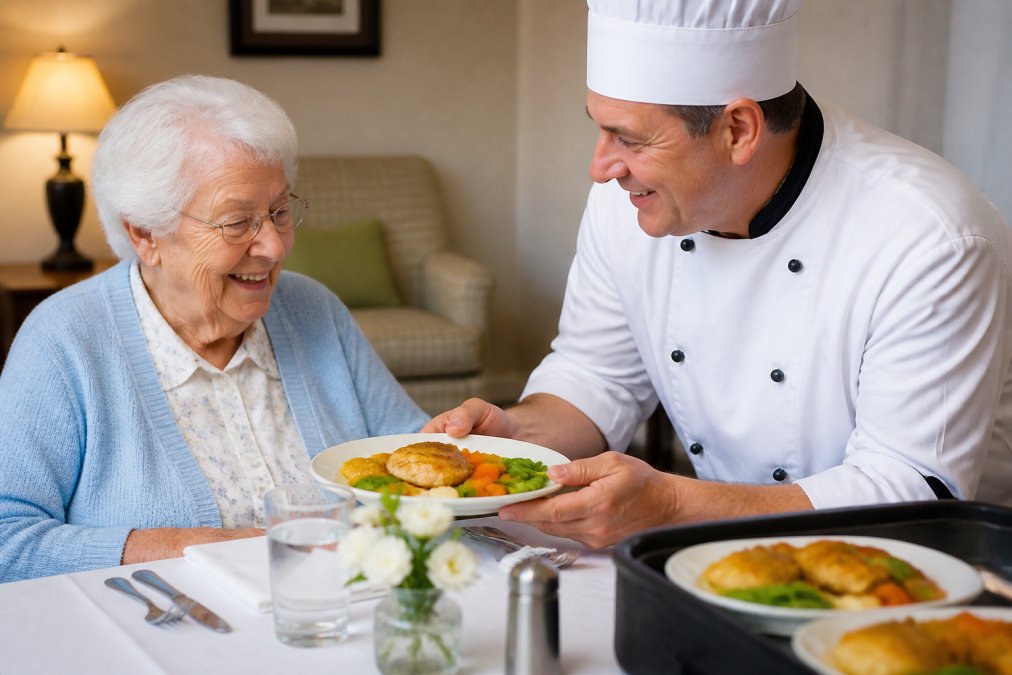
When seniors stop cooking, something shifts beyond the kitchen. The loss of meal preparation often signals a broader decline in independence, nutrition, and social connection. But it doesn't have to be that way. Chef-prepared meals for seniors address one of the most overlooked gaps in aging care: the intersection of proper nutrition, dignity, and community.
The reality is stark. Many aging adults struggle to maintain balanced diets once cooking becomes difficult. Arthritis makes gripping pans painful. Vision changes make reading recipes impossible. The cognitive load of meal planning compounds with physical limitations. What results is often a diet of convenience foods, skipped meals, or dependency on family members who are already stretched thin. This isn't just about nutrition, it's about maintaining the autonomy and self-respect that comes with eating well.
Chef-prepared meals for seniors solve this by removing the barrier between wanting to eat nutritiously and actually doing it. No shopping, no prep, no cleanup. Just restaurant-quality food designed for aging bodies and delivered with the dignity of a proper dining experience. This guide from Emory Mills explores why this matters and how it transforms the aging experience.
Senior Nutrition Requirements and Balanced Diet
Nutritional needs shift significantly after age 65. Seniors require fewer calories overall, but the caloric density of each meal becomes more critical. A smaller portion must deliver adequate protein, micronutrients, and hydration, nutrients that declining appetites and changing taste preferences can make difficult to obtain through typical home cooking.
Protein becomes especially important. Aging leads to natural muscle loss, a condition called sarcopenia. Maintaining muscle mass requires consistent, adequate protein intake, typically 1.0 to 1.2 grams per kilogram of body weight daily for older adults (the NIH). A chef-prepared meal approach ensures this happens without the senior having to calculate macronutrients or remember to include protein at every meal. The chef handles the nutritional architecture; the senior simply eats.
Sodium management also becomes critical. Many seniors develop hypertension, heart disease, or kidney concerns where dietary sodium directly impacts health outcomes. Home cooking often relies on processed ingredients or salt for flavor. Professional chefs understand how to create satisfying, flavorful meals within strict sodium limits without sacrificing taste. This is expertise most home cooks don't possess.
Hydration compounds the challenge. Seniors experience a diminished thirst mechanism, they don't feel thirsty even when dehydrated (peer-reviewed research). Meals that naturally incorporate hydrating foods, broths, and beverages become part of the solution. Chef-prepared meals can be designed with this in mind, weaving hydration into the dining experience rather than making it an afterthought.
The practical outcome: seniors eating chef-prepared meals consume more consistent nutrition without the cognitive or physical burden of meal planning and preparation. This consistency matters more than any single "perfect" meal.
Managing Chronic Conditions Through Diet
For seniors with chronic diseases, diet isn't optional, it's part of the treatment plan. Diabetes, heart disease, renal failure, and gastrointestinal conditions all require specific dietary modifications. Managing these modifications at home requires knowledge, discipline, and daily execution that many seniors cannot sustain alone.
A senior with diabetes needs consistent carbohydrate distribution across meals, appropriate portion sizes, and limited refined sugars. A senior with congestive heart failure needs sodium and fluid restrictions that feel punishing when executed by someone unfamiliar with therapeutic cooking. A senior with chronic kidney disease needs careful protein and phosphorus management that contradicts intuitive eating advice. Each condition creates a different puzzle.
Chef-prepared meals solve this by embedding therapeutic requirements into delicious food. The senior doesn't think about managing their condition, they simply eat meals that are already calibrated to their health needs. A renal-friendly meal doesn't taste like a restriction; it tastes like food prepared by someone who knows what they're doing.
This is where the difference between "diet-appropriate" and "actually therapeutic" becomes clear. A frozen meal labeled "low-sodium" might meet the sodium threshold while tasting bland and unsatisfying. A chef-prepared low-sodium meal uses technique, fresh ingredients, and flavor expertise to create something a senior actually wants to eat. Compliance becomes automatic because the food is worth eating.
For seniors managing multiple conditions simultaneously, this becomes invaluable. A senior with both diabetes and hypertension needs meals that are simultaneously low-glycemic, low-sodium, and portion-controlled. Preparing this consistently at home is nearly impossible. A professional kitchen with dietary expertise makes it routine.
The Importance of Social Dining for Seniors
Eating alone is not the same as eating. This distinction matters more than most aging guides acknowledge. Social isolation among seniors is epidemic, and meals represent one of the most natural points of connection in daily life.
When seniors cook for themselves at home, meals often happen in isolation. A sandwich eaten standing at the counter. Leftovers reheated in a microwave. The act of eating becomes purely functional, fuel consumed alone. This removes one of the most consistent social anchors in human life: the shared meal.
Chef-prepared meals in a community setting reverse this. Dining becomes an experience, not a task. Seniors eat together in spaces designed for conversation. They dress for dinner. They see familiar faces. Staff provide attentive service. The meal becomes an event, not an obligation.
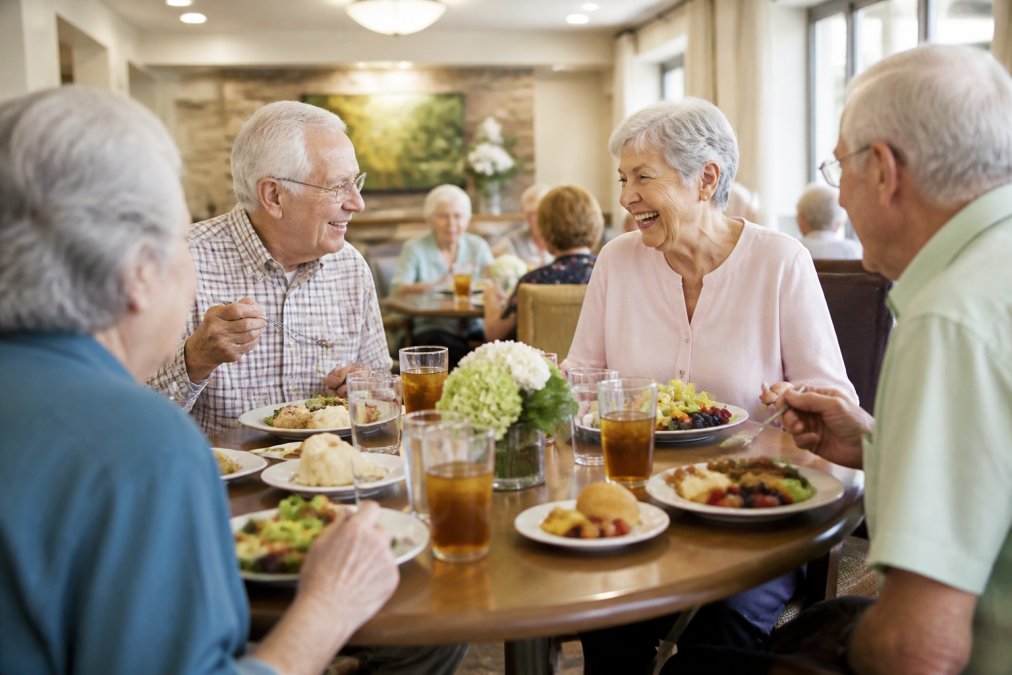
The research on social connection and aging is unambiguous: isolation accelerates cognitive decline, increases depression, and shortens lifespan (peer-reviewed research). Conversely, regular social interaction improves mental health, maintains cognitive function, and increases longevity. A daily communal meal addresses this directly. It's not therapy disguised as dining, it's dining that happens to be therapeutic.
Beyond the psychological benefits, social dining influences what and how much seniors eat. Eating with others naturally increases intake and enjoyment. A senior who might pick at a meal alone will eat more substantially when dining with peers. Conversation during meals aids digestion. The ritual of dressing, gathering, and sharing food restores dignity and normalcy to an activity that isolation had reduced to mere survival.
Community dining also creates accountability and routine. Seniors know meals happen at specific times. They anticipate seeing certain people. They have something to look forward to. This structure matters profoundly for aging adults whose days might otherwise feel unstructured and purposeless.
Independence and Dignity in Daily Living
One of the deepest fears in aging is losing control over daily life. The ability to feed oneself, to choose what to eat, when to eat it, and to do so without assistance, represents autonomy. When seniors can no longer cook, many interpret this as the beginning of the end of independence.
Chef-prepared meals reframe this narrative. The senior isn't losing independence; they're exercising it differently. They're choosing to outsource a task that has become burdensome in exchange for maintaining other forms of independence. This is a choice, not a surrender.
Dignity enters here too. Accepting help with cooking feels different from accepting help with bathing or dressing. Cooking is something seniors have done for decades, often with pride and expertise. Losing this capability can feel like losing part of their identity. Chef-prepared meals preserve the identity of "someone who eats well" without requiring the senior to perform the labor.
There's also the matter of control. A senior eating chef-prepared meals can request modifications, express preferences, and influence their dining experience. They're not passive recipients of food; they're customers with agency. This agency matters for psychological well-being. They're not "being taken care of", they're "choosing a service that works for them."
For seniors in assisted living or memory care communities, chef-prepared meals signal that the community respects their need for quality of life, not just basic sustenance. It says: we understand that you deserve to eat well, not just to eat. This distinction shapes how seniors experience their living situation and how families perceive the care their loved ones are receiving.
Reducing Caregiver Burden and Stress
Adult children serving as primary caregivers for aging parents face an invisible crisis. The cognitive and emotional load of caregiving, medication management, doctor visits, transportation, household tasks, compounds daily. Meal preparation often becomes the straw that breaks the caregiver's capacity.
Cooking for an aging parent with multiple dietary restrictions, limited appetite, and specific preferences is not simple meal prep. It's personalized therapeutic nutrition planning, executed daily, with the added emotional weight of knowing the parent isn't eating enough. A caregiver might spend an hour preparing a meal only to watch the parent eat a few bites and push the plate away. The frustration and guilt compound.
Chef-prepared meals remove this burden entirely. The caregiver no longer carries responsibility for ensuring adequate nutrition. The professional kitchen has taken this on. The caregiver can focus on emotional support, companionship, and the aspects of caregiving that actually require their presence.
This shift is transformative for caregiver mental health. Studies consistently show that caregiver burnout is a primary factor in poor outcomes for aging adults. Reducing the daily tasks that drain caregivers without adding emotional value, like meal preparation, allows caregivers to be present in ways that matter more. A caregiver can sit with their parent during a meal, enjoy the experience together, rather than standing in the kitchen managing dietary restrictions.
For families considering assisted living or memory care communities like Emory Mills, chef-prepared meals are often the deciding factor. It's not just about the food; it's about the permission it gives the family to stop carrying the entire burden of care alone. The parent gets better nutrition and social connection. The caregiver gets relief. Everyone benefits.
Chef-Prepared Meals vs. Home Cooking and Delivery Services
The landscape of meal options for seniors has expanded. Home cooking, frozen meal delivery, fresh meal kits, and community dining all exist on a spectrum. Each has a place, but they're not equivalent.
Home cooking remains the default assumption, but it requires capabilities that aging often removes: the ability to stand for extended periods, to grip and manipulate kitchen tools, to remember multi-step recipes, to shop for and store ingredients safely. For seniors without these capabilities, home cooking isn't a choice, it's an aspiration that creates daily failure.
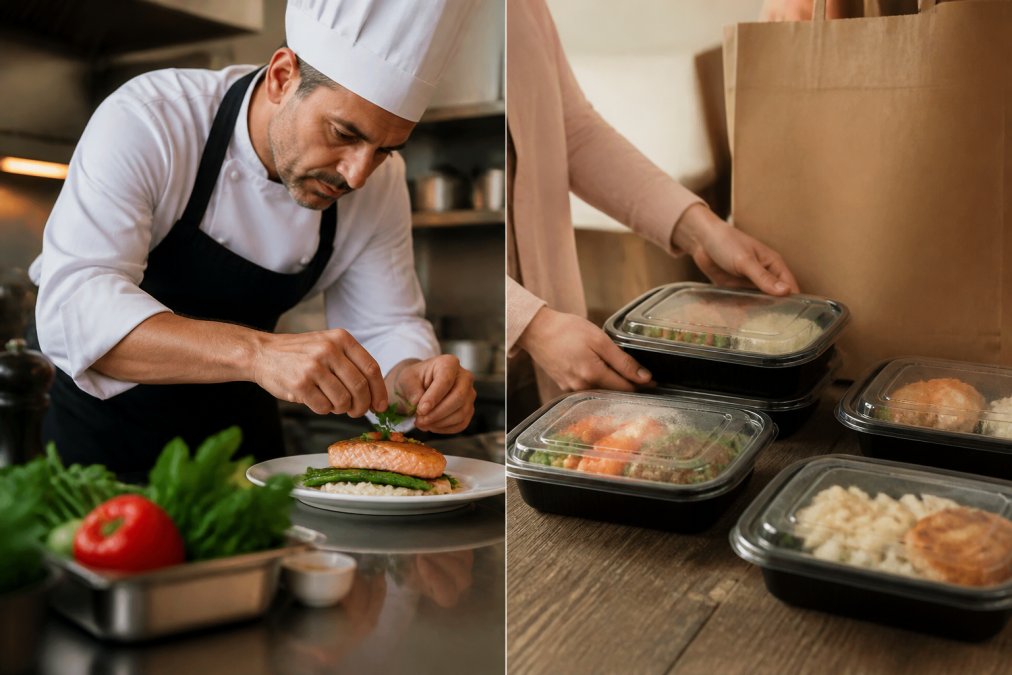
Frozen meal delivery services offer convenience. Meals arrive pre-prepared, requiring only heating. They address the logistics problem but not the experience problem. A frozen meal eaten alone in an apartment is still a frozen meal eaten alone. The nutrition might be adequate, but the dining experience is utilitarian. Additionally, frozen meals require storage space, organization, and the cognitive task of remembering to heat and eat them.
Fresh meal delivery services (like those offered through some regional providers) improve on frozen options. Meals are fresher, often designed by nutritionists, and can be customized to dietary needs. However, they still solve only the logistics problem. The senior receives food but loses the social dimension of dining. A meal delivered to the door is still eaten alone.
Community dining with chef-prepared meals addresses all dimensions: nutrition, convenience, social connection, and dignity. The meal is prepared fresh by culinary professionals. It's served in a social setting with peers and attentive staff. The experience is restaurant-quality, not institutional. The senior doesn't have to plan, shop, prepare, or clean. They simply show up and eat.
The trade-off is location-dependence. Community dining requires the senior to live in or near a community that offers it. For seniors aging in place at home, chef-prepared meals aren't an option unless they've moved to an assisted living or senior living community. This is the primary limitation: chef-prepared meals require a change in living situation.
For seniors who can make this transition, however, the benefits across all dimensions, nutritional, social, psychological, and practical, are difficult to match through any other approach.
Conclusion
Chef-prepared meals for seniors represent more than a convenience. They're a practical solution to the collision of aging bodies, changing capabilities, and the need for nutrition, dignity, and connection. When seniors can no longer cook safely or consistently, chef-prepared meals preserve independence while removing burden from both the senior and their family.
At Emory Mills, we've designed our approach around this reality. Our chef-prepared meals are developed with nutritional expertise to support chronic disease management, served in a social dining environment that combats isolation, and delivered with the attentiveness that signals respect for our residents' dignity. With personalized meal planning, dietary accommodations, and community dining experiences, residents maintain the quality of life they expect while receiving the care they need.
If you're exploring options for yourself or a loved one, schedule a tour of Emory Mills to experience how chef-prepared meals become part of a comprehensive approach to aging well.
Frequently Asked Questions
What are the primary health benefits of chef-prepared meals for seniors?
Chef-prepared meals ensure seniors receive proper nutritional density with balanced macro-nutrients, portion control, and fresh ingredients tailored to their dietary needs. These meals support healthy aging by reducing food insecurity and helping maintain adequate protein intake, hydration, and essential vitamins. For seniors managing chronic diseases, chef-prepared meals can incorporate therapeutic diets, such as sodium reduction for heart conditions or controlled carbohydrates for diabetes, making it easier to follow medical recommendations without sacrificing taste or dignity in dining.
How do chef-prepared meals help seniors with chronic disease management?
Chef-prepared meals accommodate specific dietary restrictions and therapeutic needs that seniors with chronic conditions require. A chef can reduce sodium for hypertension, manage portion sizes and carbohydrates for diabetes, adjust protein intake for kidney health, and ensure consistent, safe food preparation that reduces the risk of foodborne illness. This level of customization helps seniors maintain dietary compliance, stabilize their conditions, and reduce hospitalizations. Many seniors find it easier to stick to medical dietary recommendations when meals taste restaurant-quality rather than clinical.
Does Medicare cover meal delivery services for seniors?
Medicare typically does not cover meal delivery as a standalone service. However, some Medicare Advantage plans may cover medically necessary meals through supplemental benefits, particularly for seniors with specific chronic conditions. Additionally, homebound seniors aged 60 or older may qualify for the Meals on Wheels program (CAC Mobile Meals in Knox County), which is federally funded and free for eligible individuals. To determine your coverage options, contact your Medicare plan provider directly or speak with a social worker at your local Area Agency on Aging.
How do chef-prepared meals reduce the risk of malnutrition in seniors?
Professional meal preparation eliminates barriers to nutrition that many seniors face: difficulty shopping, cooking limitations due to arthritis or mobility issues, and food safety concerns. Chef-prepared meals guarantee consistent access to balanced nutrition with adequate protein, vitamins, and minerals, preventing the malnutrition and food insecurity that can lead to falls, infections, and hospitalizations. Social dining settings further encourage seniors to eat regular meals, as the social connection and dining experience often increase appetite and meal enjoyment compared to eating alone at home.
Ready to explore how chef-prepared meals can transform your aging experience? Schedule a tour with Emory Mills today and see how our community combines culinary excellence with compassionate care designed to honor your independence and dignity.
This article was written using GrandRanker