 listicle
Best Footwear for Preventing Falls in Seniors
Table of Contents
- Why Footwear Matters for Fall Prevention in Seniors
- Key Features of Safe Senior Footwear
- Non-Slip Shoes for Seniors: What Works Best
- Safe Slippers for Elderly: Indoor Footwear Considerations
- Shoes for Elderly with Balance Problems
- Footwear to Avoid and Common Mistakes
- Shoe Modifications and Adaptive Accessories
- Visual Checklist for Caregivers
- Frequently Asked Questions
Last Updated: October 20, 2026
Why Footwear Matters for Fall Prevention in Seniors
Falls are one of the leading causes of injury among older adults (the CDC). What many people don't realize is that footwear plays a critical role in whether a fall happens at all. The right shoes can mean the difference between independence and a trip to the emergency room.
The connection is biomechanical. Your feet are your foundation. When that foundation is unstable, whether from poor traction, lack of arch support, or an improper fit, your entire balance system struggles. Seniors already face natural changes in gait stability and proprioception as they age (Age-Related Dysfunction in Balance). Add slippery soles or unsupportive shoes to that equation, and the risk multiplies.
This isn't just theory. Common footwear mistakes account for a significant portion of preventable falls in the home environment. Flip-flops, high heels, smooth-soled shoes, and loose slippers create hazards that older adults often overlook. The good news: choosing the right footwear for preventing falls is straightforward once you know what to look for.
Key Features of Safe Senior Footwear
Safe footwear for seniors rests on four essential features. Each one addresses a specific fall risk. Together, they create a shoe that supports independence and reduces injury risk.
Non-Slip Soles and Traction
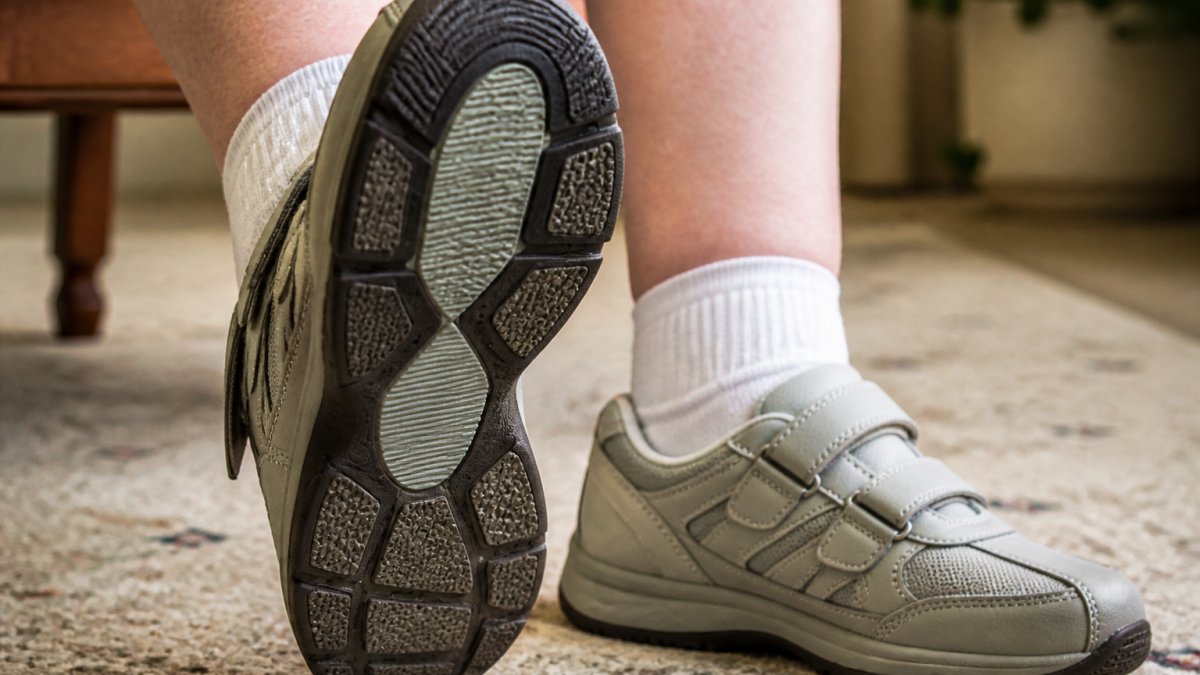
A non-slip rubber sole is the first line of defense. The tread pattern matters, deep grooves grip floors better than shallow patterns. When a senior steps on a wet bathroom tile or a polished kitchen floor, that traction is what prevents the foot from sliding out from under them.
Look for shoes with rubber soles that show visible tread patterns. Smooth leather soles, common on dress shoes, offer almost no grip. The best non-slip shoes have soles designed specifically for fall prevention, with multiple contact points that grip various floor surfaces.
Test traction yourself. Rub your thumb across the sole. If it feels smooth, the shoe won't perform well on slippery surfaces. A textured, slightly sticky feel indicates good traction. This simple check works in any shoe store.
Arch Support and Heel Counter
Arch support keeps the foot stable during movement. Without it, the foot rolls inward or outward, a condition called overpronation or supination. This rolling motion destabilizes the ankle and throws off balance.
The heel counter is the cup-shaped part of the shoe that cradles the heel. A firm heel counter prevents excessive heel motion inside the shoe. Combined with arch support, it creates a stable platform for walking. This is especially important for seniors with neuropathy or arthritis, where proprioception is already compromised.
Press your finger into the heel area of a potential shoe. It should feel firm, not soft and collapsible. The arch should have a noticeable curve that matches the natural arch of the foot.
Proper Fit and Snug Closure
A loose shoe is a fall waiting to happen. The foot slides around inside, creating instability with every step. A snug fit keeps the foot locked in place.
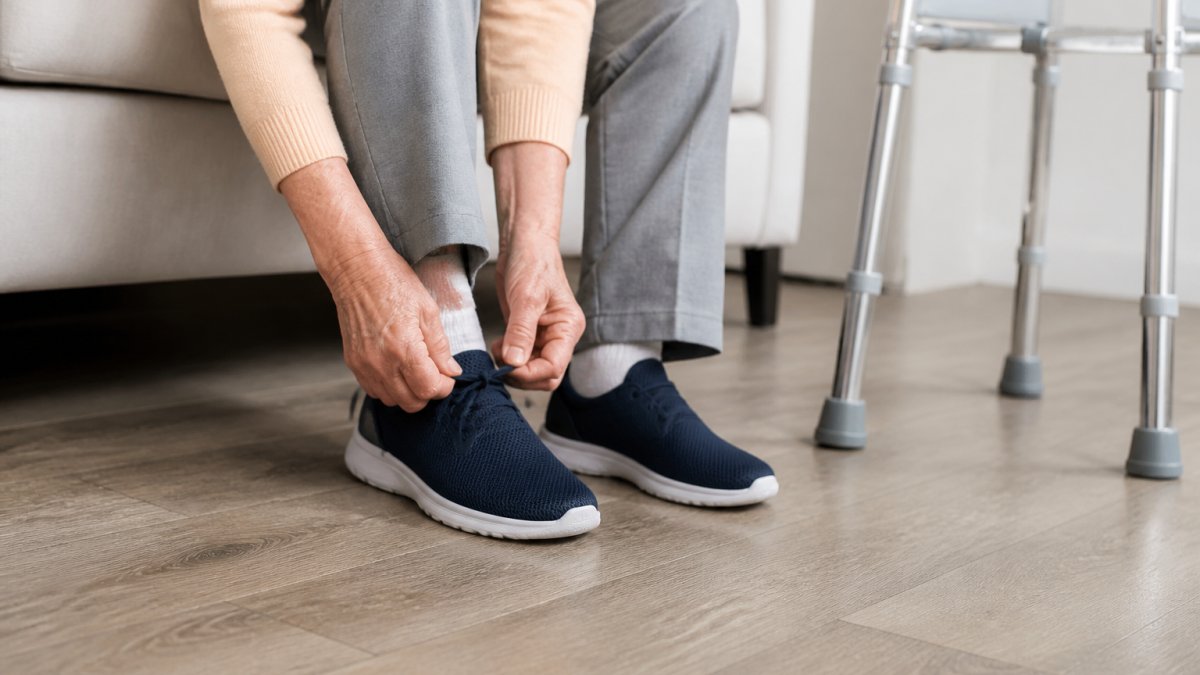
Velcro closures work better than laces for seniors. They're easier to adjust, can be tightened or loosened without bending, and stay secure throughout the day. A wide toe box prevents pressure on the toes while maintaining overall snugness. This combination accommodates swelling and foot shape changes while keeping the shoe stable.
When trying on shoes, leave a thumb's width of space between the longest toe and the shoe end. The heel should not slip when you walk. If you can wiggle your foot side to side inside the shoe, it's too loose.
Non-Slip Shoes for Seniors: What Works Best
The market offers several categories of non-slip shoes designed specifically for seniors. Each serves different needs and preferences.
Slip-on shoes with velcro straps combine ease of use with stability. No bending required to put them on. The velcro allows customization of tightness.
Athletic-style shoes offer excellent arch support and cushioning. They're heavier than slip-ons but provide superior shock absorption. Good for seniors who walk regularly or have joint pain.
Specialized orthopedic shoes are engineered by podiatrists specifically for fall prevention. They include reinforced heel counters, deep arch support, and premium non-slip soles. These cost more but deliver maximum stability.
Casual loafers with rubber soles and adjustable straps bridge the gap between style and function. They look less medical than athletic shoes while maintaining safety features.
The best choice depends on the individual's lifestyle, mobility level, and aesthetic preference. A senior who values independence might prioritize ease of use. Someone with arthritis pain might prioritize cushioning and support.
Safe Slippers for Elderly: Indoor Footwear Considerations
Slippers present a unique challenge. Many seniors wear them indoors all day, yet most slippers are fall hazards. Soft, loose slippers with smooth soles create dangerous conditions.
Safe slippers for elderly residents have the same features as outdoor shoes: non-slip soles, arch support, and a snug fit. They should have a heel counter that prevents the foot from sliding.
Closed-toe slippers with velcro closures work best. The toe box protects the foot if the wearer stumbles. The velcro keeps the slipper on during movement. Indoor-outdoor slippers with rubber soles grip tile and hardwood equally well.
Thickness matters too. Very thin slippers provide little cushioning or support. A quarter-inch to half-inch of cushioning is ideal, enough to absorb shock without reducing ground feel and proprioception.
Many seniors resist changing from their old, comfortable slippers. The transition is easier if you explain the connection to fall prevention directly. Show them the non-slip sole. Let them feel the arch support.
Shoes for Elderly with Balance Problems
When balance is already compromised, from arthritis, neuropathy, or neurological conditions, footwear becomes even more critical. These seniors need maximum support and traction.
Shoes with a wider base provide better stability. A wider heel and forefoot create more contact with the ground. This is why athletic shoes often outperform narrow dress shoes for seniors with balance issues.
Ankle-height shoes or boots offer additional support compared to low-cut shoes. They prevent excessive ankle motion and provide proprioceptive feedback.
Insoles designed for proprioception enhancement can be added to existing shoes. These have textured surfaces that stimulate nerve endings in the foot, improving balance awareness. They work best in shoes with a snug fit.
The heel height should be minimal, ideally under one inch. Even a slight heel shifts the center of gravity forward, increasing fall risk. Flat soles are safer, though some cushioning in the heel area helps absorb shock.
Footwear to Avoid and Common Mistakes
Certain shoes increase fall risk dramatically. Knowing what to avoid is as important as knowing what to choose.
High heels shift weight forward and destabilize the ankle. Even modest heels, one inch or more, increase fall risk. They're aesthetically appealing but biomechanically dangerous for seniors.
Flip-flops and sandals offer no ankle support or security. The foot slides around with each step. The open design provides no protection if the wearer stumbles.
Smooth-soled shoes, dress shoes, loafers without rubber soles, worn athletic shoes, provide inadequate traction. On tile, linoleum, or polished hardwood, they become skating rinks.
Loose or oversized shoes are deceptively common. Seniors often buy shoes a size too large to accommodate swelling or arthritis pain. This creates instability with every step.
Worn-out shoes are another overlooked hazard. As soles wear smooth, traction disappears. Cushioning breaks down, reducing shock absorption.
Very soft, squishy shoes feel comfortable but don't provide adequate support. The foot sinks into the sole, creating instability.
Shoe Modifications and Adaptive Accessories
Not every senior needs to buy new shoes. Existing footwear can often be modified to improve safety.
Adhesive rubber sole patches can be applied to smooth-soled shoes to improve traction. These stick to the bottom of the shoe and provide grip without requiring a cobbler.
Insoles designed for arch support can be added to loose-fitting shoes. These elevate and support the arch, improving stability.
Elastic shoelace converters replace traditional laces with elastic that keeps tension constant. The shoe stays snug without the need to re-tie.
Shoe stretchers can modify the width of tight shoes, accommodating swelling or foot shape changes. A cobbler can also stretch shoes professionally if needed.
Sock choice matters more than many realize. Thick, cushioned socks with non-slip grips on the bottom reduce sliding inside shoes and on floors.
A simple modification, adding velcro straps to a favorite shoe, can transform it from a fall hazard to a safe option.
Visual Checklist for Caregivers
Use this checklist when evaluating a senior's footwear. A shoe that fails multiple criteria increases fall risk.
| Feature | Safe Option | Unsafe Option |
|---|---|---|
| Sole | Textured rubber with visible tread | Smooth leather or worn rubber |
| Heel Height | Flat or under 1 inch | 1+ inches (high heels) |
| Closure | Velcro straps or laces | Slip-on without security |
| Fit | Snug, no sliding | Loose or oversized |
| Toe Box | Closed, protective | Open (sandals, flip-flops) |
| Arch Support | Firm, noticeable curve | Flat, unsupportive |
| Heel Counter | Firm, cup-shaped | Soft or collapsible |
| Condition | Clean tread, intact cushioning | Worn smooth, flattened |
Walk through the senior's home and observe their footwear choices. Are they wearing slippers with smooth soles? Loose shoes? Flip-flops? These are immediate safety concerns.
Ask about comfort. If a senior resists wearing supportive shoes because they feel stiff, try a different brand or style. Comfort and safety aren't mutually exclusive, you just need to find the right shoe.
Check shoes monthly. Tread wears down faster than most people realize. A shoe that was safe six months ago might be hazardous now. Replace or repair as needed.
At Emory Mills, we recognize that fall prevention starts with the small details, like what's on a senior's feet. If you're concerned about a loved one's fall risk or looking for a community that prioritizes safety and dignity in daily care, visit Emory Mills to learn more about our approach or schedule a tour to see how we support our residents' independence at every stage.
Frequently Asked Questions
What type of shoes are best for preventing falls in seniors?
The best footwear for preventing falls combines a non-slip rubber sole with strong arch support, a firm heel counter, and a snug fit through velcro closures or slip-on designs. Look for shoes with a low heel (under 1 inch), wide toe box for stability, and cushioning that absorbs shock. Shoes designed specifically for fall prevention often feature tread patterns that grip various surfaces and materials that prevent your foot from sliding inside the shoe during movement.
Are non-slip shoes for seniors effective at reducing fall risk?
Yes, non-slip shoes significantly reduce fall risk by improving traction on slippery surfaces like tile, wood, and bathroom floors. The rubber sole's grip pattern creates friction that helps prevent your foot from sliding during weight shifts and turns. Studies on gait stability show that seniors wearing proper non-slip footwear experience fewer slips compared to smooth-soled shoes. However, the shoe must also fit well and provide arch support, traction alone isn't enough without proper fit and cushioning.
Should seniors wear shoes indoors, or are safe slippers for elderly acceptable?
Seniors should wear shoes indoors rather than slippers whenever possible. Safe slippers for elderly may seem comfortable, but many lack the ankle stability, arch support, and traction needed for fall prevention. If slippers are necessary, choose ones with non-slip rubber soles, firm heel counters, and closed backs that prevent your foot from sliding forward. Avoid open-backed slippers, flip-flops, and soft soles that offer no traction or proprioceptive feedback to your feet and ankles.
How often should seniors replace their shoes?
Replace shoes every 6 to 12 months, or sooner if you notice worn tread patterns, compressed cushioning, or loose closures. Worn soles lose their non-slip grip, increasing fall risk on wet or smooth surfaces. Check your shoe's tread regularly by running your finger across the sole, if the pattern is flattened or smooth, it's time for new footwear. Shoes with damaged heel counters or stretched uppers no longer provide the stability and support needed for safe balance and mobility.