 listicle
Alternatives to Assisted Living for Seniors
Table of Contents
- Why Seniors Seek Alternatives to Assisted Living for Seniors
- Independent Living vs Assisted Living: Understanding the Difference
- Aging in Place Services: Remaining at Home With Professional Support
- Home and Community-Based Services (HCBS) Waiver Programs
- Other Residential and Community Options
- Comparison: Cost, Care Level, and Independence
- Addressing Caregiver Burnout and Making the Transition
- Frequently Asked Questions
Last Updated: September 27, 2026
Why Seniors Seek Alternatives to Assisted Living for Seniors
Many families assume assisted living is the only path forward when a parent needs help. It's not. The reality is that alternatives to assisted living for seniors have expanded dramatically, offering options that range from staying home with professional support to joining a community designed around independence rather than dependency.
The decision to explore alternatives often comes from a specific place: either cost concerns, a desire to maintain maximum independence, or the simple fact that assisted living doesn't match what a particular senior actually needs. A person managing arthritis and needing meal prep is in a completely different situation than someone with advanced memory loss. One-size-fits-all communities rarely fit anyone perfectly.
The key is understanding what's actually available and matching it to what your family needs right now. The key is understanding what's actually available and matching it to what your family needs right now.
Below, we'll walk through the major alternatives, from aging in place with professional support to continuing care communities that offer multiple levels of care under one roof. You'll see how each option compares on independence, cost, and the type of care provided.
Independent Living vs Assisted Living: Understanding the Difference
Independent living is housing for seniors who are healthy enough to manage daily tasks on their own but want to live among peers and reduce home maintenance responsibilities. Assisted living provides 24/7 support with activities of daily living (ADLs) like bathing, dressing, and medication management.
The difference is fundamental. In independent living, you're responsible for your own care. In assisted living, staff are responsible for ensuring you get the care you need.
This distinction matters because many seniors can thrive in independent living when they're still fairly healthy. They get community, social engagement, and the security of knowing help is nearby if needed. But they're not paying for round-the-clock personal care they don't yet require.
Independent living communities typically offer:
- Accessible apartments or homes designed for aging
- Dining options and housekeeping services
- Social activities and fitness programs
- Emergency call systems
What they don't provide is hands-on assistance with personal care. If you need someone to help you bathe or manage medications, independent living isn't the right fit. That's when assisted living or in-home care becomes necessary.
The cost difference is significant. Independent living usually runs substantially less than assisted living because the staffing model is completely different.
Aging in Place Services: Remaining at Home With Professional Support
Aging in place means staying in your own home while receiving whatever care and support you need. For many seniors, this is the preference, and it's increasingly possible with the right combination of services.
Home health aides can assist with bathing, dressing, meal preparation, and medication management. Skilled nurses handle wound care, catheter management, and other medical needs. Physical therapists work on mobility and fall prevention. Home modification specialists install grab bars, ramps, and other safety features.
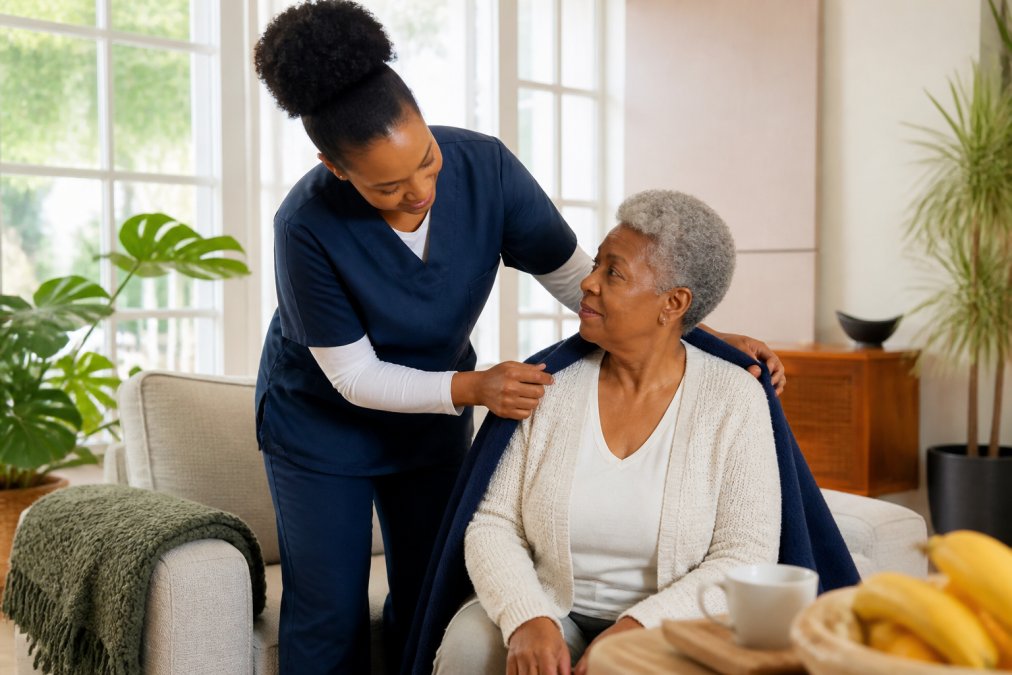
The flexibility is the real advantage here. You can hire a home health aide for two hours a day while you're recovering from surgery, then scale back to once-weekly visits once you're stable. You're not committing to a residential community. You're paying for exactly what you need, when you need it.
The challenge is coordination. Managing multiple providers, scheduling, and ensuring someone's actually checking on you requires organization. Many families hire a geriatric care manager to handle the logistics. That adds cost, but it removes the burden of juggling appointments and ensuring nothing falls through the cracks.
Aging in place also works best when you have family support or a strong social network. Isolation is a real risk when you're home alone, even with regular aide visits. Some seniors thrive this way. Others feel lonely and would benefit from the built-in community of a residential setting.
Home and Community-Based Services (HCBS) Waiver Programs
The Medicaid Home and Community-Based Services waiver is a government program that funds care services allowing eligible seniors to remain in their homes instead of moving to a facility (Home & Community-Based Services 1915(c)). If you qualify financially and medically, the state pays for personal care assistance, home modifications, and case management.
These waivers exist in every state but operate under different rules in each one. Some states have long waiting lists. Others have more availability. Financial eligibility is strict, you typically need to have limited assets and income below a certain threshold.
What HCBS covers varies by state but generally includes:
- Personal care assistance with activities of daily living
- Homemaker services like cleaning and laundry
- Home modifications for accessibility
- Care coordination and case management
The massive advantage is cost. If you qualify, the state covers these services. You're not paying out of pocket. For families struggling with the expense of long-term care, this can be life-changing.
The catch is the eligibility requirements. You must meet both a financial test and a functional test, meaning you need to require a level of care that would otherwise necessitate nursing home placement. You can't just want help; you need to medically require it.
Contact your state Medicaid office to learn whether you qualify and what services are available in your area. Waiting lists can be long, so apply early if you think you might need these services.
Other Residential and Community Options
Beyond independent living and in-home care, several other residential models exist. Each serves a different need.
Continuing Care Retirement Communities (CCRCs)
A CCRC is a residential campus offering a full continuum of care (Learn About Continuing Care Retirement Communities). You might start in independent living, transition to assisted living as your needs increase, and move to skilled nursing if you develop serious health issues, all without leaving the campus.
The appeal is predictability. You know care will be available as you age. You're not facing the trauma of moving multiple times or searching for the right facility when your health suddenly declines. (Source: the benefits of aging in place)
The downside is the financial commitment. CCRCs typically require a large entrance fee plus monthly maintenance costs. Some operate on a "life care" model where the entrance fee theoretically covers all future care. Others charge higher monthly fees as your care level increases.
This model works well for seniors who want to plan comprehensively and have the financial resources to do so.
Board and Care Homes
Board and care homes (also called residential care homes) are small, intimate settings, typically 4 to 10 residents in a home-like environment. A caregiver or small staff provides meals, medication management, and assistance with daily tasks.
Adult Day Care Centers
Adult day care centers provide daytime supervision, social activities, meals, and health monitoring. Seniors go during the day while family caregivers work, then return home in the evening.
Senior Apartments and Independent Housing
Senior apartments are age-restricted communities (typically 55 or older) offering accessible housing with community amenities but no personal care services. Think apartment complex with fitness centers, social events, and grab bars in bathrooms, but no staff to help you bathe or manage medications.
Comparison: Cost, Care Level, and Independence
| Option | Care Level | Independence | Typical Cost Range | Best For |
|---|---|---|---|---|
| Aging in Place | Flexible (part-time to 24/7) | Highest | Hourly or visit-based | Seniors wanting to stay home with professional support |
| HCBS Waiver | Personal care + ADL assistance | High | Free (if eligible) | Low-income seniors meeting state requirements |
| Independent Living | Minimal (housing + amenities) | Very High | Varies by location | Healthy seniors wanting community and reduced maintenance |
| Board and Care | 24/7 personal care | Moderate | $2,000-$7,000/month | Seniors preferring intimate, home-like settings |
| Adult Day Care | Daytime supervision only | High (evenings/nights at home) | $25-$100/day | Seniors needing daytime supervision while families work |
| CCRC | Full continuum (independent to skilled nursing) | Decreases as needs increase | High entrance fee + monthly | Seniors planning comprehensive long-term care |
The cost comparison reveals a crucial reality: there's no single "most affordable" option. HCBS waivers are free if you qualify, but eligibility is restrictive.
Addressing Caregiver Burnout and Making the Transition
Many families delay exploring alternatives because the primary caregiver, often an adult child, feels guilty about "placing" a parent. That guilt is real and understandable. It's also often preventing the caregiver from getting the support they desperately need.
Frequently Asked Questions
What are the most affordable alternatives to assisted living for seniors?
Adult day care centers, Medicaid HCBS waivers, and home health agencies offer cost-effective options compared to full-time residential care. Adult day care typically ranges from $25-$100 per day and provides supervision during daytime hours while family caregivers work. Board and care homes ($2,000-$7,000 monthly) offer more personalized attention than large facilities. Medicaid HCBS programs are free for eligible low-income seniors and cover personal care, home modifications, and care coordination to support aging in place.
Can seniors receive professional care while using aging in place services?
Yes. Home health agencies provide skilled nursing, physical therapy, medication management, and personal care assistance in the home. PACE (Program of All-Inclusive Care for the Elderly) combines medical and social services through an interdisciplinary team, including access to adult day centers. These options allow seniors to receive professional medical support while remaining in their own homes, making aging in place both feasible and safe for those with chronic conditions or recovery needs.
What is the difference between independent living and assisted living?
Independent living communities are age-restricted (typically 55+) housing with accessibility features, social activities, and shared amenities, but no medical or personal care services included. Assisted living provides 24/7 support with activities of daily living (ADLs) like bathing, dressing, and medication management, plus meals and social engagement. Independent living suits active seniors who want community and lower maintenance; assisted living serves those needing hands-on daily assistance but not skilled nursing care.
How do I know if my parent is eligible for a Medicaid HCBS waiver?
HCBS waiver eligibility requires meeting state-specific financial and functional criteria. Generally, applicants must have income and assets below state limits and require a level of care that would otherwise necessitate nursing home placement. Eligibility varies significantly by state, so contact your state Medicaid office or a geriatric care manager for a functional assessment. They can determine whether your parent qualifies for personal care services, home modifications, or care coordination under the waiver program.