 how-to
How to Help Seniors Maintain Independence
Table of Contents
- Why Maintaining Independence Matters for Seniors
- Physical Activity and Fall Prevention
- Aging in Place Home Modifications That Work
- Nutrition and Managing Chronic Health Conditions
- Mental Stimulation and Social Connection
- How to Talk to Parents About Assisted Living
- Benefits of Assisted Living for Independence
- Recognizing When Professional Support Is Needed
Last Updated: August 29, 2026
Why Maintaining Independence Matters for Seniors
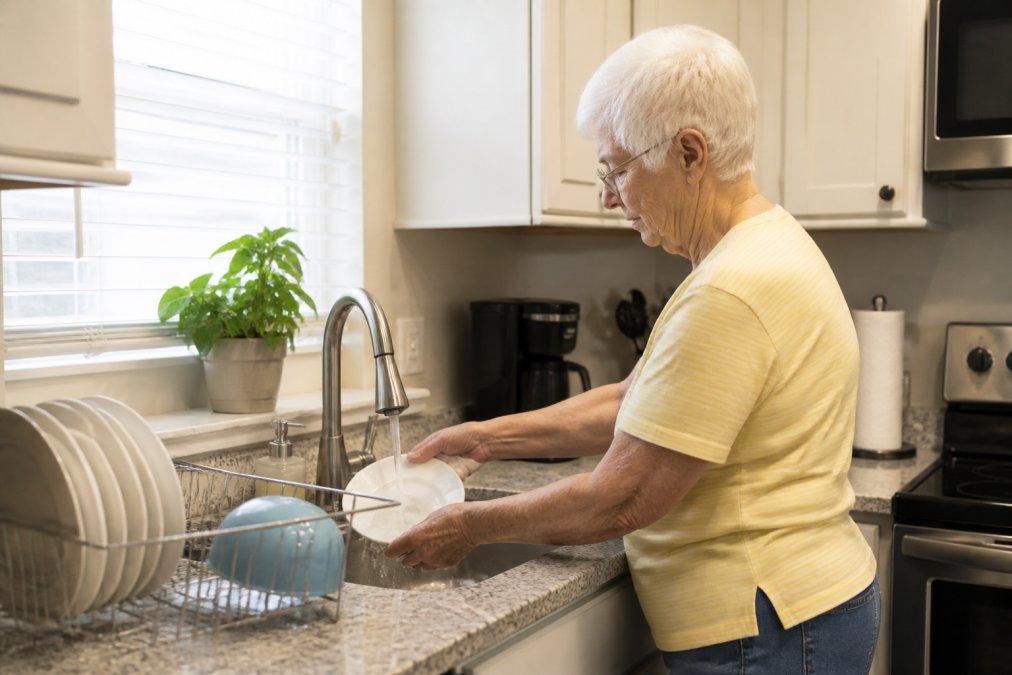
Independence directly impacts quality of life for older adults. When seniors manage daily tasks, make decisions about their care, and stay engaged in their communities, they experience better physical health, sharper cognitive function, and deeper emotional well-being. Independence means having choice, dignity, and purpose.
At Emory Mills, the goal isn't to avoid help entirely; it's to receive help in ways that preserve autonomy and respect individual preferences. Loss of independence often accelerates decline, seniors who feel they've lost control may withdraw from activities and experience depression. Conversely, those who maintain some level of independence tend to remain more active, alert, and emotionally resilient.
Physical Activity and Fall Prevention
Regular physical activity is the single most effective way seniors can maintain independence and reduce injury risk. Movement maintains muscle strength, improves balance, and keeps joints flexible, all essential for performing daily activities without assistance.
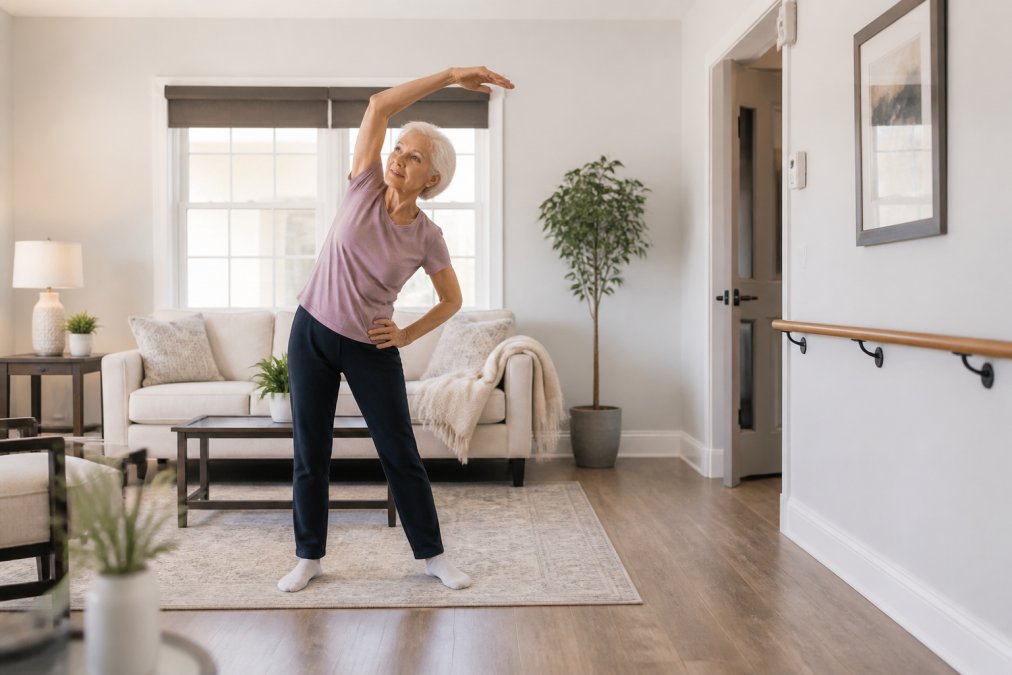
Falls are a leading cause of injury-related death among seniors, but fall risk is largely preventable (the CDC). Strength training, balance work, and flexibility exercises can reduce fall risk by up to 30 percent when done consistently (the CDC). Walking, tai chi, and water aerobics all provide significant protection.
Seniors should aim for at least 150 minutes of moderate-intensity activity per week, along with two sessions of strength training (the NIH). Walking, gardening, dancing, and household chores all count. Adding balance exercises three times per week, standing on one leg, heel-to-toe walking, or practicing transitions from sitting to standing, directly addresses fall prevention.
Home modifications work alongside exercise. Remove tripping hazards, install grab bars in bathrooms and along stairways, ensure adequate lighting, and use non-slip flooring. These inexpensive modifications significantly reduce injury risk while allowing safe movement through the home.
Aging in Place Home Modifications That Work
Aging in place means remaining in one's own home safely as needs change. The right modifications preserve independence and allow seniors to stay in familiar surroundings.
The most critical modifications address bathrooms and bedrooms, where most falls occur. Install grab bars near toilets and in showers, add a walk-in shower or shower seat, improve lighting, and ensure slip-resistant flooring. In bedrooms, position nightstands within reach, install bedside lighting, and remove clutter. Hallways should be wide enough for walkers or wheelchairs, with handrails on at least one side.
Kitchen modifications focus on accessibility. Lower frequently used items to waist height to avoid reaching. Install pull-out shelves, lever-style handles, and ensure adequate lighting. A step stool with handrails helps reach higher items safely.
Entryways and stairs require attention. A single-step ramp or threshold reducer prevents tripping. Stairs should have handrails on both sides, adequate lighting, and non-slip treads. For significant mobility limitations, a stair lift or residential elevator may be necessary.
Flooring throughout should be even and slip-resistant. Remove area rugs or secure them firmly. Adequate lighting is critical, seniors need more light to navigate safely. Install bright bulbs throughout, use nightlights in hallways and bathrooms, and consider motion-activated lighting for nighttime movement.
Technology increasingly supports aging in place. Emergency response systems allow quick calls for help. Smart home devices control lighting, temperature, and door locks. Video doorbells let residents see visitors without opening the door. Medication reminders and health monitoring devices help manage chronic conditions independently.
Nutrition and Managing Chronic Health Conditions
Proper nutrition directly affects a senior's ability to maintain independence. Adequate protein supports muscle maintenance, bone health, and immune function. Yet many seniors struggle with nutrition due to reduced appetite, difficulty chewing, medication side effects, or social isolation.
Managing chronic conditions like diabetes, hypertension, arthritis, and heart disease requires consistent attention to diet, medication, and lifestyle. Seniors who understand their conditions and actively participate in their own care maintain better health outcomes and independence longer.
A sustainable approach focuses on changes that fit a person's preferences and lifestyle rather than rigid restriction. If someone loves salt, gradual reduction is more successful than sudden elimination. If someone dislikes vegetables, finding vegetables they enjoy works better than forcing a complete overhaul.
Medication management is critical. Many seniors take multiple medications with complex schedules. A simple system, a pill organizer, phone reminders, or assistance from a family member, prevents errors. Seniors should maintain an updated list of all medications, including over-the-counter drugs and supplements, and review it regularly with their doctor.
Social eating matters significantly. Seniors who eat alone often eat less and less nutritiously. Meals shared with family, friends, or in community settings are more enjoyable and more likely to be adequate. Community dining supports both nutrition and social connection.
Mental Stimulation and Social Connection
Cognitive decline and depression are not inevitable, but isolation and lack of mental engagement significantly increase both risks. Seniors who maintain social connections and stay mentally active show better cognitive function, lower depression rates, and longer life expectancy.
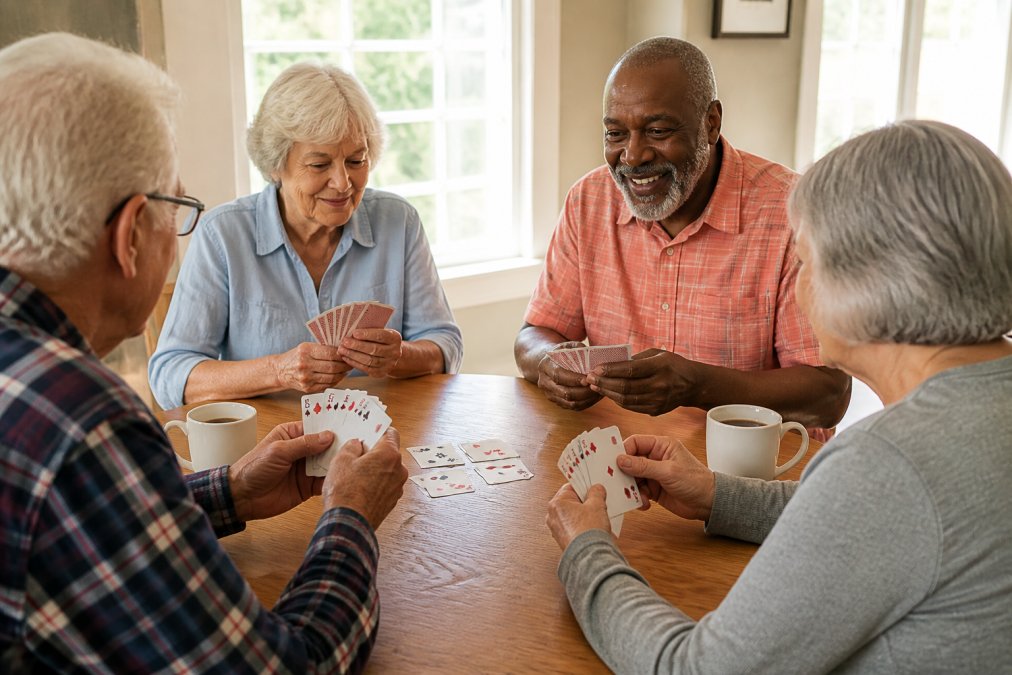
Mental stimulation can take many forms. Learning something new, a language, musical instrument, or craft, activates the brain in ways that slow cognitive decline. Puzzles, reading, games, and creative hobbies all provide engagement. Activities should be challenging enough to be interesting but achievable enough to build confidence.
Social isolation is a serious health risk, linked to depression, cognitive decline, and increased mortality. Combating isolation requires intentional effort. Regular phone or video calls, participation in community groups, volunteer work, or classes maintain social connection. Some seniors thrive in senior centers or faith communities, while others prefer smaller gatherings.
Technology can bridge distance through video calls, online classes, or virtual book clubs, but works best as a supplement to in-person connection, not a replacement.
Purpose and meaning strongly support independence. Seniors who feel their life has value, through volunteering, mentoring, creative work, or family involvement, show better health outcomes and greater resilience. This might mean helping grandchildren, volunteering, tending a garden, or sharing family history.
How to Talk to Parents About Assisted Living
One of the most difficult conversations adult children have is suggesting that an aging parent move to an assisted living community or accept in-home care. Approaching it thoughtfully increases the chances of a productive discussion.
Start by listening. Understand your parent's concerns, preferences, and fears. Some worry about losing independence; others fear cost, the social environment, or change itself. Understanding the root concern allows you to address it directly.
Frame the conversation around maintaining independence, not losing it. The goal of assisted living or in-home care is to preserve independence by providing support with difficult tasks. A parent who struggles with housekeeping can focus energy on hobbies and family. A parent who no longer drives can maintain social connections through community transportation. This reframing, from "you need help" to "this allows you to focus on what matters", resonates more effectively.
Choose the right time and place. Don't ambush your parent during a crisis or when stressed. Have the conversation when both of you are calm, in a private setting, without time pressure.
Be honest about specific concerns. Instead of vague statements, describe what you've observed: "I've noticed you're having trouble with stairs" or "You've mentioned feeling lonely." Concrete observations are harder to dismiss.
Involve your parent in the solution. Present options and ask for input. When parents feel they're choosing rather than being forced, they're more likely to accept the change.
Expect resistance. It's normal. Your parent may need time to adjust. Visiting a community together or hearing from peers who've made the move can help.
Benefits of Assisted Living for Independence
Assisted living is often misunderstood as a loss of independence. Well-designed assisted living communities, like Emory Mills, are specifically structured to support and maintain independence while providing necessary help with activities of daily living.
The key difference is philosophy: assistance, not replacement. Instead of doing tasks for residents, staff help residents do tasks themselves. If a resident struggles with medication management, a caregiver ensures medications are available and reminds the resident to take them, but the resident takes the medication themselves. This preserves the dignity and autonomy seniors value.
Residents make decisions about their daily schedule, activities, meals, and social engagement. They choose whether to participate in community events. They have privacy and control over their personal space.
Assisted living also provides built-in social connection and mental stimulation. Communities organize activities, classes, and social events. Residents have opportunities to make friends, participate in meaningful activities, and engage with others. This combats isolation and provides crucial social connection for mental health and cognitive function.
Safety is another major benefit. Communities have 24/7 staff, emergency response systems, and safety features like grab bars and accessible bathrooms. This allows seniors to move freely without constant worry from family members.
Emory Mills uses the evidence-based I'm Still Here® philosophy to focus on each resident's remaining abilities and life story rather than limitations. This person-centered approach means residents stay engaged in activities that matter to them, maintain relationships, and continue to feel like themselves. Chef-prepared meals, diverse activities, and personalized support foster independence, dignity, and belonging.
Financially, assisted living can be a cost-effective option for supporting an aging parent. More importantly, it provides peace of mind for both seniors and their families.
Recognizing When Professional Support Is Needed
Knowing when to seek professional support, whether in-home care, adult day programs, or residential communities, is crucial. The goal is to get help early enough to prevent crises, not wait until an emergency forces the decision.
Some warning signs are obvious: a fall with injury, hospitalization, or a medical diagnosis requiring more care than family can provide. Others are subtler: weight loss, missed medications, neglected housekeeping, social withdrawal, or a family caregiver expressing burnout.
Cognitive changes require particular attention. If a parent is forgetting to take medications, repeating conversations, or becoming confused about time or place, they need support with memory-dependent tasks. Living entirely alone with cognitive decline increases accident and injury risk significantly.
Caregiver burnout itself signals that professional support is needed. When a caregiver is exhausted, resentful, or experiencing health problems, it's time to bring in professional help. A burned-out family caregiver can't provide good care, and stress often damages the parent-child relationship.
A professional assessment from a geriatric care manager, social worker, or physician can clarify what level of support is actually needed. Professional assessment removes guesswork and emotion from the decision.
The transition to accepting professional support is emotional for everyone. Reframing helps: professional support enables independence by removing barriers and providing safety. It allows seniors to focus energy on relationships, activities, and purposes that matter.
Helping a senior maintain independence is one of the most meaningful things you can do. It requires honest conversations, practical modifications, and sometimes difficult decisions about professional support. The goal is to provide the right level of help so they can live with dignity, purpose, and as much autonomy as possible.
If you're navigating this journey with an aging parent, know that you don't have to figure it out alone. Communities like Emory Mills specialize in supporting seniors through this transition. With personalized care, meaningful activities, chef-prepared meals, and 24/7 support, residents maintain independence and purpose while receiving the assistance they need. Schedule a tour to see how Emory Mills can support your family's needs.
Frequently Asked Questions
Q: What are the early signs that a senior needs more support?
A: Common early signs include difficulty managing medications, neglected home maintenance, weight loss or poor nutrition, increased falls or near-misses, difficulty with bathing or personal hygiene, social withdrawal, and confusion about bills or appointments. If a senior is struggling with instrumental activities of daily living (IADLs) like cooking or laundry, or shows changes in mood or cognitive function, it's time to discuss additional help. A conversation with their doctor can clarify whether in-home support or a residential community would better serve their needs.
Q: How can home modifications improve senior independence?
A: Strategic aging in place home modifications remove barriers to daily activities. Install grab bars in bathrooms, improve lighting on stairs, remove tripping hazards, and add lever-style door handles for easier grip. Rearrange frequently used items to waist height, install a walk-in shower or tub seat, and ensure clear pathways throughout the home. These changes let seniors perform activities of daily living safely without constant supervision, reducing fall risk and preserving their ability to move about independently. A home safety assessment from a professional can identify specific modifications needed.
Q: How does the I'm Still Here® philosophy support resident autonomy?
A: The I'm Still Here® philosophy honors each person's life story and remaining abilities rather than focusing on losses. It recognizes that even residents with memory care needs retain skills, preferences, and dignity. Staff trained in this approach engage residents in meaningful activities based on their personal history and interests, not generic programming. This person-centered care preserves autonomy by allowing residents to make choices, contribute meaningfully, and feel valued. It shifts the focus from what someone can't do to what they can still do well, supporting both independence and quality of life.
Q: What role does social engagement play in maintaining independence?
A: Social connection directly supports functional independence and mental health. Regular community engagement, family visits, and meaningful activities reduce isolation and cognitive decline. Seniors who stay socially active maintain better physical health, motivation to manage their own care, and emotional resilience. Whether through group activities, volunteer opportunities, or regular family contact, social connectivity gives seniors purpose and reasons to stay active. Isolation accelerates decline in both physical and cognitive function, while engagement fosters the motivation and mental stimulation needed to maintain independence as long as possible.
This article was written using GrandRanker