 how-to
Fall Risk Safety in Assisted Living: A Complete Guide
Table of Contents
- Understanding Fall Risk in Assisted Living
- Conducting Fall Risk Assessment Tools for Seniors
- Environmental Modifications for Fall Prevention
- Medication Review and Physical Therapy Interventions
- Assistive Devices and Proper Footwear
- Staff Training and Communication Protocols
- Legal Liability for Falls in Assisted Living
- Post-Fall Recovery and Psychological Support
Last Updated: August 19, 2026
Understanding Fall Risk in Assisted Living
Falls are the leading cause of nonfatal trauma and unintentional injury-related deaths among older adults. A single fall can trigger hospitalization, loss of independence, psychological trauma, and accelerated decline. In assisted living settings, residents often face multiple converging risk factors, medication interactions, balance impairments, cognitive changes, and environmental hazards, simultaneously.
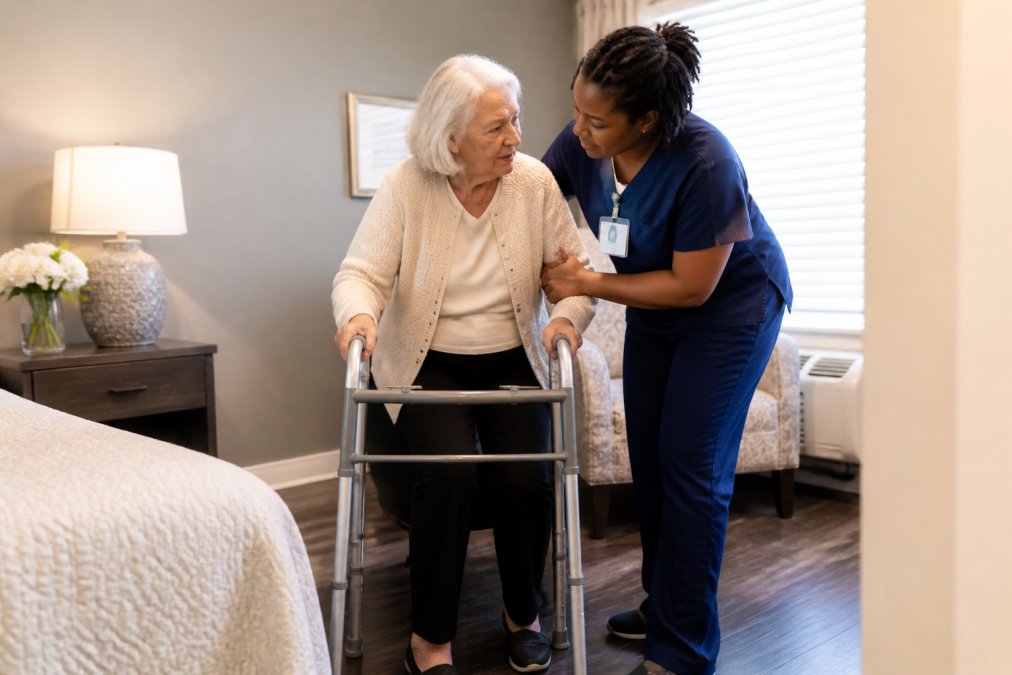
At Emory Mills, we recognize that fall prevention isn't about restricting resident freedom, it's about creating an environment where independence and safety coexist. The good news is that falls in assisted living are largely preventable. Research consistently shows that comprehensive, multidisciplinary approaches to fall risk reduction work. This guide walks you through the complete framework for identifying fall risk and implementing practical solutions.
Conducting Fall Risk Assessment Tools for Seniors
A thorough fall risk assessment is the foundation of any effective prevention program. Rather than making assumptions about which residents are at risk, assisted living communities should use standardized assessment tools that evaluate specific, measurable factors. Fall risk isn't static, a resident's risk profile changes as medications shift, mobility fluctuates, or new health conditions emerge.
Key Risk Factors to Evaluate
Gait and balance impairment represents one of the most significant predictors of falls. Residents with unsteady gait, shuffling steps, or difficulty with weight shifting face substantially elevated risk, often stemming from neurological conditions, muscle weakness, or medication side effects.
Medication side effects deserve particular attention because they're often modifiable. Antihypertensives can cause orthostatic hypotension, where blood pressure drops upon standing. Sedatives and anticholinergics affect balance and coordination. Diuretics increase bathroom urgency, leading to hurried movement and falls.
Sensory impairment including vision and hearing loss compounds other risk factors. Poor vision prevents residents from seeing environmental hazards, while hearing loss affects balance mechanisms.
Cognitive changes alter judgment and safety awareness. Residents with memory impairment may forget to use assistive devices or call for help.
Frail residents with low bone density, muscle weakness, and reduced reserve capacity face both higher fall risk and more severe consequences.
Documentation and Care Planning
Once assessment identifies risk factors, documentation becomes critical. The care plan should specify which risk factors apply to each resident, what interventions are being implemented, and how effectiveness will be monitored. The multidisciplinary team, nursing staff, physical therapists, physicians, and care coordinators, should review assessment findings together to ensure interventions address the full picture.
Environmental Modifications for Fall Prevention
Environmental hazards account for a substantial portion of falls in assisted living. Systematic environmental assessment and modification creates the foundation for fall prevention.
Flooring, Lighting, and Pathways
Non-slip flooring in bathrooms and high-traffic areas dramatically reduces fall risk. Bathrooms represent the highest-risk zone because they combine wet surfaces, balance demands, and often inadequate support. Lighting levels profoundly affect fall risk, particularly for residents with vision changes. Hallways, bathrooms, and stairways need consistent, adequate illumination. Nighttime navigation should be supported with motion-activated lighting or low-level pathway lights.
Pathways throughout the community should be clear of clutter and obstacles. Stairs require handrails on both sides, and step edges should be clearly marked with contrasting colors.
Bathrooms and High-Risk Areas
Grab bars installed at appropriate heights and locations provide critical support during transfers and while standing at sinks or toilets. Bars should be positioned where residents naturally reach for support, near toilets, in showers, and along tub edges.
Raised toilet seats or toilet safety frames make transfers easier and reduce fall risk. Walk-in showers with grab bars, non-slip flooring, and seating options are far safer than traditional tubs. Bathroom organization prevents residents from reaching, bending, or losing balance to access items. Personal care supplies, medications, and frequently used items should be within easy reach at waist to shoulder height.
Medication Review and Physical Therapy Interventions
Many falls result directly from medication effects or can be prevented through targeted exercise. These interventions require close collaboration between physicians, pharmacists, and physical therapists.
Managing Medication Side Effects
Orthostatic hypotension, a sudden drop in blood pressure upon standing, is a common medication side effect that causes dizziness and falls. Management includes reviewing medication timing, ensuring adequate hydration, and teaching residents to change positions slowly.
Sedating medications increase fall risk by impairing balance, coordination, and alertness. When possible, non-sedating alternatives should be substituted. Anticholinergic medications affect balance and cognition. A comprehensive medication review should identify which medications are truly necessary and whether safer alternatives exist.
Exercise and Balance Training
Physical therapy interventions directly address the mobility deficits that cause falls. Targeted exercise programs improve strength, balance, and gait quality. Balance training teaches residents how to maintain stability during daily activities. Strength training, particularly for legs and core muscles, improves the ability to recover from stumbles. Tai chi and similar movement practices combine balance, strength, and coordination in formats that many older adults enjoy.
Assistive Devices and Proper Footwear
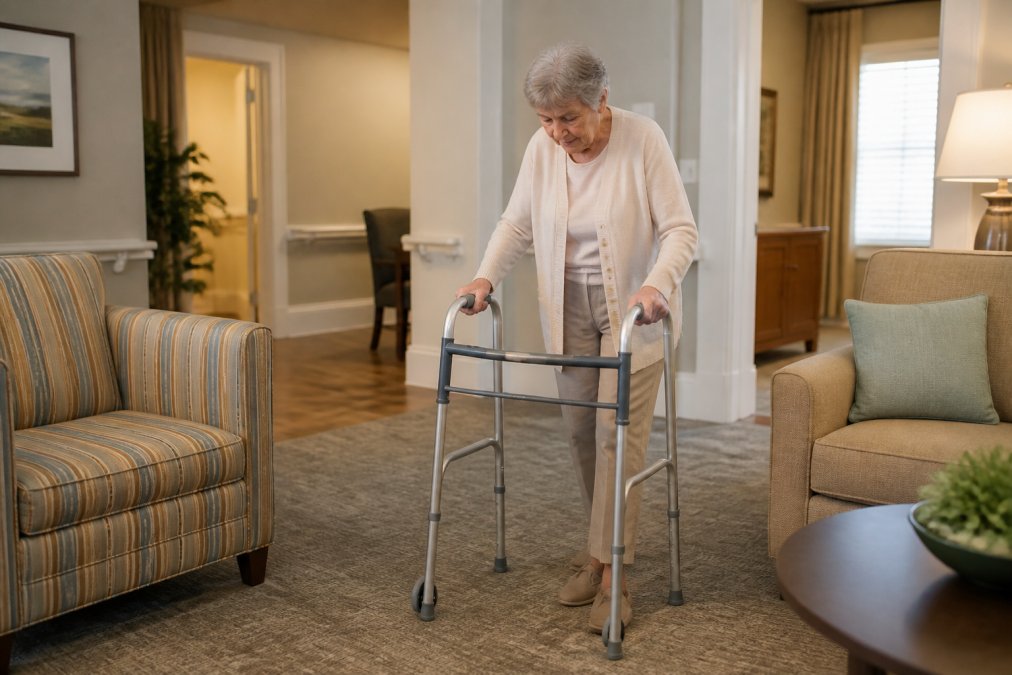
Mobility aids and appropriate footwear are often overlooked but remarkably effective fall prevention tools. Walkers, canes, and rollators provide external support that compensates for balance or strength deficits. The device must be properly fitted and residents need training on proper use.
Proper footwear prevents falls more effectively than many realize. Shoes should have non-slip soles, firm heel support, and a secure fit. Loose slippers, socks without grip, or shoes with worn soles significantly increase fall risk. Hip protectors, specialized undergarments with padding over the hip bones, don't prevent falls but reduce fracture risk when falls occur.
Staff Training and Communication Protocols
Even the best systems fail without staff who understand fall prevention principles and implement them consistently. Comprehensive training ensures that every team member contributes to fall risk reduction.
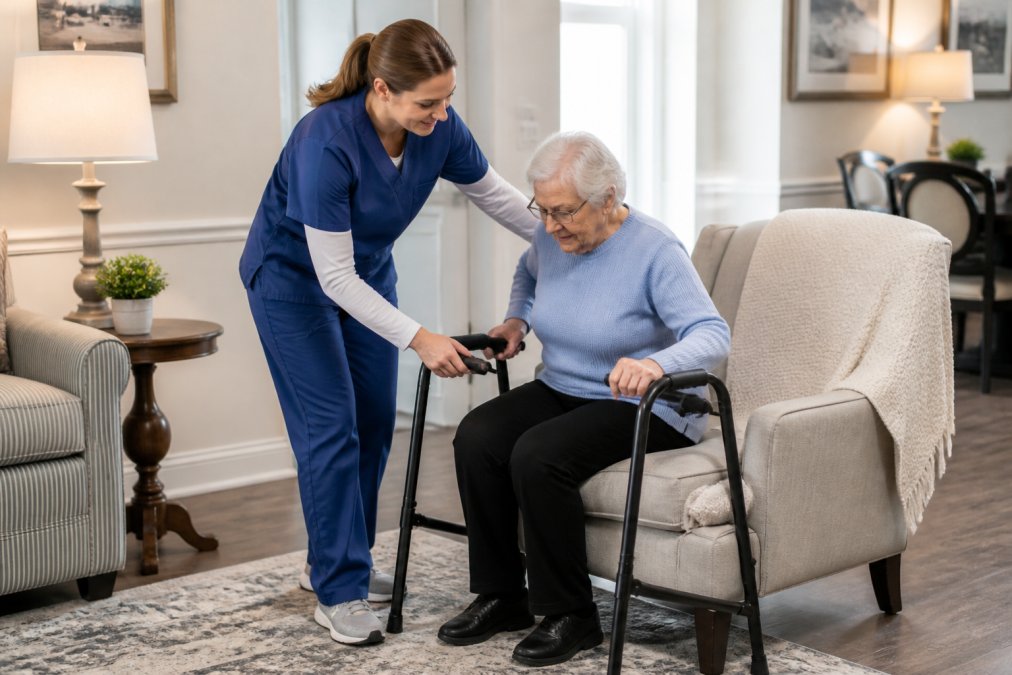
Staff must understand how to recognize residents at elevated risk and what interventions are in place for each person. Care plans should clearly identify fall risk factors and required precautions. Training should cover proper transfer techniques that protect both resident and staff. Incorrect lifting or transfer methods cause falls and staff injuries simultaneously.
Communication protocols ensure that information flows between shifts and departments. If a resident experiences a fall or near-miss, this information must reach all staff caring for that person. Call light systems and staff responsiveness prevent falls caused by residents attempting to move independently when assistance is needed.
Legal Liability for Falls in Assisted Living
Falls in assisted living communities carry significant legal implications. Assisted living facilities have a legal duty to provide reasonable care to prevent foreseeable harm. This duty includes conducting fall risk assessments, implementing appropriate interventions, and maintaining safe environments. Documentation of these efforts becomes critical if a fall occurs, as it demonstrates that the community took reasonable precautions.
Negligence claims typically allege that the facility failed to assess risk, failed to implement known preventive measures, or failed to maintain safe conditions. The strongest defense is comprehensive documentation showing that assessment, planning, and implementation occurred. Regulatory agencies may investigate falls, particularly serious ones resulting in injury. Communities should be familiar with regulations in their jurisdiction and ensure compliance.
The most effective legal protection is genuine commitment to fall prevention. Communities that systematically assess risk, implement evidence-based interventions, and document their efforts have the strongest position if an incident occurs.
Post-Fall Recovery and Psychological Support
When falls do occur despite prevention efforts, how the community responds determines outcomes. Immediate medical assessment, documentation, and family communication are essential. Many residents experience significant fear after falling, even if physical injuries are minor. This fear often leads to activity restriction and deconditioning, paradoxically increasing future fall risk.
Post-fall assessment should examine what contributed to the fall and what can be modified to prevent recurrence. Families need clear, honest communication about what happened and what the community is doing in response. Psychological recovery often requires reassurance that falling doesn't mean the resident must restrict activities or lose independence.
Fall prevention in assisted living requires coordinated effort across assessment, environment, medication management, and staff training. At Emory Mills, we implement comprehensive fall risk protocols guided by the evidence-based I'm Still Here® philosophy, which emphasizes maintaining resident abilities and independence while ensuring safety. Our team conducts thorough fall risk assessments, modifies environments systematically, and provides 24/7 staff support to prevent falls and respond immediately if they occur. Schedule a tour with Emory Mills to see how our approach combines clinical safety standards with compassionate, person-centered care that honors each resident's dignity and independence.
| Fall Risk Factor | Assessment Method | Intervention |
|---|---|---|
| Gait and balance impairment | Observational assessment, timed up-and-go test | Physical therapy, assistive devices, environmental support |
| Medication side effects | Medication review with pharmacist | Dose adjustment, medication change, timing modification |
| Sensory impairment | Vision and hearing screening | Corrective devices, environmental lighting, communication support |
| Environmental hazards | Environmental safety audit | Grab bars, non-slip flooring, lighting, pathway clearance |
| Cognitive changes | Cognitive screening, care plan review | Supervision, simplified routines, environmental cues |
Frequently Asked Questions
Can you go to assisted living if you are a fall risk?
Yes. Assisted living communities are specifically designed to support residents with varying mobility and safety needs, including those at high fall risk. The key is finding a community with comprehensive fall prevention protocols, trained staff, and appropriate monitoring systems. Many residents transition to assisted living precisely because fall risk at home is unmanageable, and 24/7 support significantly reduces injury rates. Always discuss your specific fall risk factors during your initial consultation to ensure the community can meet your needs.
What are the 5 P's of fall prevention?
The 5 P's of fall prevention are: Profiling (identifying residents at high risk), Preventing (modifying the environment and using assistive devices), Protecting (using hip protectors and padding), Preparing staff (training on safe transfer techniques), and Post-fall management (responding quickly and reassessing care plans). These form the foundation of any comprehensive fall prevention strategy in assisted living. Each element works together to reduce both the frequency and severity of falls.
How do assisted living facilities assess fall risk using standardized tools?
Facilities use validated assessment tools such as the Morse Fall Scale or Timed Up and Go test to evaluate balance, mobility, medication effects, and cognitive status. Staff conduct initial assessments upon admission and reassess regularly or when conditions change. These assessments identify specific risk factors, orthostatic hypotension, sensory impairment, gait problems, or medication side effects, that inform personalized care plans. Documentation of these findings creates a baseline for tracking changes and adjusting interventions over time.
What should families do if a loved one falls in assisted living?
Request an immediate incident report documenting the fall's circumstances, time, and any injuries. Discuss findings with the care team and physician to identify contributing factors. Ask whether environmental or medication changes are needed and whether physical therapy is recommended. If repeated falls occur, request a multidisciplinary team meeting to reassess the care plan. Families should also understand your community's post-fall protocols and legal documentation requirements to ensure accountability and appropriate follow-up care.
[EXTERNAL_LINK: National Institute on Aging fall prevention guidelines | nia.nih.gov]
[EXTERNAL_LINK: American Geriatrics Society clinical practice guidelines for fall prevention | americangeriatrics.org]
[EXTERNAL_LINK: Centers for Disease Control and Prevention fall prevention resources | cdc.gov]
This article was written using GrandRanker