 comparison
Emory Mills vs Other Senior Living Communities
Table of Contents
- Community Overview: What Sets Senior Living Communities Apart
- Assisted Living Services and Care Models
- Memory Care Programs and Specialized Support
- Assisted Living Costs in Tennessee and What to Expect
- Questions to Ask When Touring Senior Living Facilities
- Resident Reviews, Testimonials, and Community Culture
- Making Your Decision: Which Community Is Right for Your Family
- Frequently Asked Questions
Community Overview: What Sets Senior Living Communities Apart
Choosing a senior living community is one of the most important decisions families make. The right community provides safety, engagement, and dignity, but not all senior living communities are created equal. Senior living communities range from independent living for active adults to specialized memory care for those with advanced cognitive decline, each serving different needs with distinct staffing, amenities, and care philosophies.
When evaluating senior living communities, most families focus on location, price, and amenities. But the real differentiator lies deeper: in the care philosophy, staff training, activity programming, and how well the community honors each resident's individuality. Some communities treat residents as patients to be managed. Others, like Emory Mills, approach care as an opportunity to celebrate what residents can still do, grounded in evidence-based practices like the I'm Still Here® philosophy.
In the Knoxville area, Emory Mills stands apart by combining personalized assisted living and specialized memory care with a philosophy that honors residents' life stories and remaining abilities.
Assisted Living Services and Care Models
Assisted living provides support with activities of daily living, bathing, dressing, medication management, meal preparation, while allowing residents to maintain independence (nia.nih.gov). The quality varies dramatically depending on the community's approach to care and its staff-to-resident ratios.
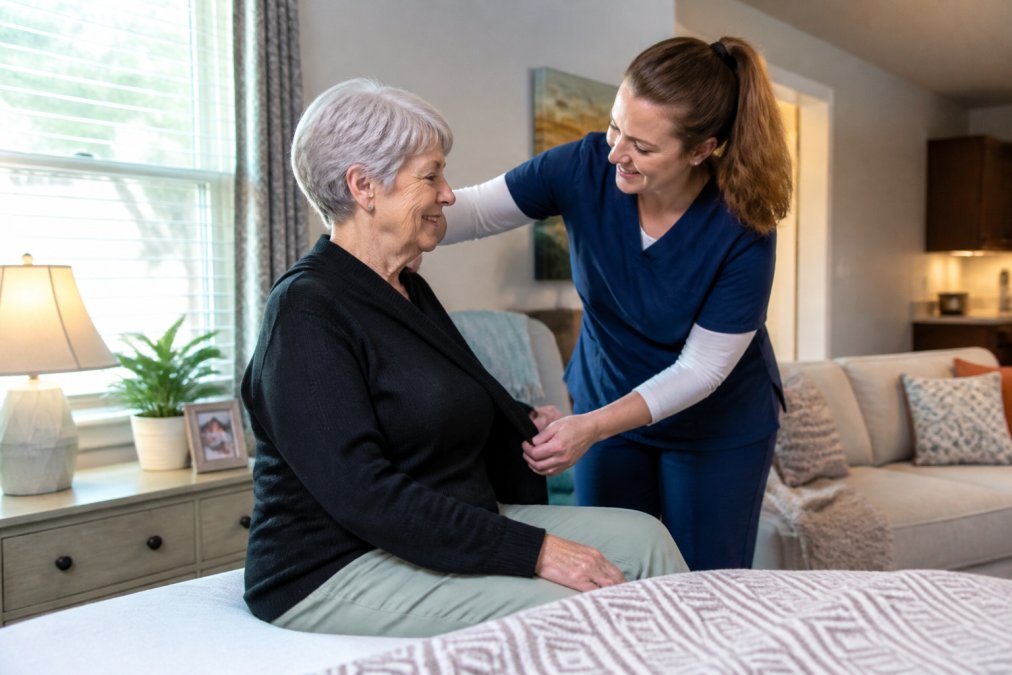
Most assisted living communities follow a task-oriented model: staff perform specific duties on a schedule. Emory Mills uses person-centered care instead, tailoring support to each person's preferences, routines, and abilities. One resident might prefer to bathe in the evening and spend mornings in the bistro. Another might want to participate in meal preparation because cooking was central to their identity. This flexibility requires more thoughtful staffing and training, but results in residents who feel respected.
When touring assisted living communities, ask about staff training. How are caregivers trained to communicate with residents who have hearing loss or cognitive changes? Do they receive training in dignity-preserving care? Communities that invest in this training typically report higher resident satisfaction and lower behavioral incidents.
Medication management has real safety implications. Ask how medications are stored, who administers them, and how the community tracks compliance. Ask specifically about nighttime coverage: if your loved one needs medication at 2 AM, is a trained staff member available?
Chef-prepared meals matter too. Some communities contract with food service companies that deliver pre-made meals. Others, like Emory Mills, employ chefs who prepare meals on-site using fresh ingredients. Residents can smell food cooking, participate in meal planning, and enjoy variety. Dietary accommodations should be handled seamlessly.
Memory Care Programs and Specialized Support
Memory care is assisted living with an additional layer of specialized training, environmental design, and programming for residents with dementia or Alzheimer's disease (peer-reviewed research). A good memory care program anticipates challenges and responds with compassion rather than restriction.

The I'm Still Here® philosophy, which Emory Mills uses, is grounded in research showing that people with dementia retain abilities and preferences long after they lose memory (peer-reviewed research). Rather than focusing on what residents have lost, this approach celebrates what they can still do and what brings them joy. A resident might not remember their daughter's name, but they might light up when hearing their favorite song or working with their hands in a gardening activity.
Memory care programming should include structured activities that engage residents' remaining abilities: music therapy, art, gardening, cooking, reminiscence activities tied to their personal histories. The best programs personalize activities based on each resident's background.
Behavioral support is critical. Communities trained in trauma-informed and person-centered approaches ask, "What is this behavior telling us?" A resident refusing to bathe might have sensory sensitivities, fear of water, or a need for control. Understanding the root cause allows staff to adapt their approach.
Staffing ratios matter enormously in memory care. Ask for specific ratios and how they're maintained during call-outs and vacations. During the day, memory care should have enough staff that residents aren't waiting long for assistance.
Environmental design also supports memory care residents. Secured outdoor areas allow safe wandering. Clear signage, consistent layouts, and good lighting reduce confusion. Comfortable common areas encourage socialization.
Assisted Living Costs in Tennessee and What to Expect
Assisted living costs vary based on room type, level of care, and included services. For current pricing at any community, contact them directly for a detailed quote.
Emory Mills has not provided specific pricing data. Pricing for assisted living and memory care depends on the specific services and suite chosen. Before comparing prices across communities, understand what's included: meals, transportation, activities, medication management.
Hidden fees are a legitimate concern. Ask about additional charges for specialized care, activities and outings, guest meals, laundry and housekeeping beyond standard service, telephone or internet, pet care, and therapy services. Some communities bundle these into their monthly fee; others charge à la carte.
Medicaid can help eligible residents cover costs. Speak with a financial advisor or the community's business office about your specific situation. Some communities also offer respite care, short-term stays that provide a way to test a community before committing long-term.
When evaluating cost, consider what you're paying for. A lower price might reflect lower staffing ratios or fewer activities. A higher price should translate to better outcomes: residents who are engaged, safe, and treated with dignity.
Questions to Ask When Touring Senior Living Facilities
A tour is your chance to see the community in action. Don't just walk through common areas; ask to see a resident room, observe how staff interact with residents, and ask specific questions about operations.
About Care and Staffing:
- What is your staff-to-resident ratio during the day? At night?
- How do you handle staff call-outs or vacations?
- What training do caregivers receive? How often?
- How do you handle behavioral incidents in memory care?
- Who is on-site at night, and what is their training?
- How do you manage medication? Who administers it?
About Daily Life:
- Can you walk me through a typical day for a resident?
- How much flexibility do residents have? If my loved one wants to sleep in or skip an activity, is that okay?
- What happens if a resident refuses care? How do you handle that respectfully?
- How involved can family be?
- How do you handle dietary preferences or restrictions?
About Memory Care Specifically (if relevant):
- What is your philosophy for memory care?
- What activities are offered? How are they personalized to individual residents?
- How do you keep residents safe if they wander?
- What training do staff receive specific to dementia care?
- How often do you communicate with family about changes?
About Transition and Move-in:
- How do you support residents during the move-in process?
- Can my loved one bring personal items, furniture, photos, pets?
- How long does it typically take for a new resident to settle in?
- What is your exit policy if the placement doesn't work out?
About Engagement and Purpose:
- How do you help residents feel like they're contributing or have purpose?
- Can residents participate in activities they care about?
- How do you honor residents' life stories and past roles?
- What happens for residents who don't enjoy structured activities?
Red Flags During a Tour:
- Residents sitting alone with no engagement
- Staff speaking about residents dismissively or using infantilizing language
- Residents who appear unkempt or whose rooms are cluttered
- Strong odors or visible cleanliness issues
- Staff who seem rushed or irritable
- Inability or unwillingness to answer your questions directly
The best communities welcome questions and encourage you to observe and interact with residents.
Resident Reviews, Testimonials, and Community Culture
Online reviews offer real insight into daily life at a community, but they require careful interpretation. Look for specific details rather than general praise or criticism. A review saying "Great place!" tells you nothing. A review saying "My mother was struggling with nighttime confusion, and the staff created a personalized routine that reduced her anxiety" tells you the community is thoughtful and communicative.
Pay attention to reviews that mention staff by name, specific activities, or particular challenges the community solved. These tend to be more credible. Also notice whether families mention communication: Do they feel informed about their loved one's day?
Negative reviews deserve careful reading too. If multiple families mention the same issue, that's a pattern worth investigating. But a single negative review about a specific conflict might be an outlier.
At Emory Mills, the community's culture centers on honoring each resident's life story and remaining abilities. This philosophy shapes everything: how staff are trained, how activities are designed, how families are involved.
Ask the community directly for references from current residents' families. A willingness to connect you with families who've had experience is a sign of confidence.
Making Your Decision: Which Community Is Right for Your Family
Choosing a senior living community depends on your loved one's specific needs, your family's values, and practical factors like location and budget. The decision-making framework should be consistent: What matters most to your loved one? What does your family need to feel confident in their care?
For families prioritizing person-centered care and specialized memory care support, Emory Mills offers a distinctive approach grounded in the I'm Still Here® philosophy. The community's focus on honoring residents' life stories, celebrating remaining abilities, and providing personalized engagement sets it apart. With 33 new assisted living suites and 13 specialized memory care suites, Emory Mills has been designed specifically to support this philosophy.
Your decision should rest on these key factors:
Care Philosophy: Does the community's approach to care align with your values?
Staffing and Training: Are staff adequately trained and present?
Engagement and Purpose: Will your loved one feel engaged and purposeful?
Communication and Involvement: Will you feel informed and involved?
Sustainability: Can the community meet your loved one's needs as they change?
Your Gut Feeling: Do you trust the community with your loved one's wellbeing?
The right community is the one where your loved one will feel respected, engaged, and safe, and where you'll feel confident in their care.
Making the transition to senior living is significant for your family. At Emory Mills, we've helped families navigate this decision by combining compassionate, person-centered care with evidence-based practices like the I'm Still Here® philosophy. Our specialized memory care and personalized assisted living programs are designed to honor each resident's life story while providing the 24/7 support and chef-prepared meals that foster independence and dignity. SCHEDULE A TOUR to see how Emory Mills can provide the supportive environment your loved one deserves.
Frequently Asked Questions
Q: What is the difference between assisted living and memory care in senior living communities?
A: Assisted living provides support with daily activities such as bathing, dressing, and medication management, while residents maintain significant independence. Memory care is specialized programming designed for individuals with dementia or Alzheimer's disease, featuring trained staff, secure environments, and therapeutic activities focused on remaining abilities and meaningful engagement. Both are available at many senior living communities, but memory care requires additional staff training and facility design.
Q: What questions should I ask when touring senior living facilities?
A: Ask about staff-to-resident ratios, especially during evening and night hours. Inquire about the care philosophy and how the community personalizes care plans. Request details on activities, meal options, and how the facility handles medical emergencies. Ask about the transition process and move-in support. Understanding staffing levels, safety protocols, and how the community honors residents' independence and life stories will help you make an informed decision.
Q: How much does assisted living cost in Tennessee?
A: Assisted living costs in Tennessee vary based on location, room type, and care needs. Pricing depends on the specific services included, whether meals and activities are covered, and the level of personal care required. For current pricing at any community, contact them directly for a detailed quote. Many communities offer different room options at varying price points, so it's important to discuss your budget and care needs when you tour.
Q: How does the I'm Still Here philosophy differ from traditional memory care?
A: The I'm Still Here philosophy is evidence-based and focuses on honoring each resident's life story and remaining abilities rather than emphasizing what they've lost. Instead of generic activities, this approach uses personalized engagement based on individual interests, skills, and history. Staff trained in this method create meaningful interactions that foster dignity and purpose, recognizing that meaningful engagement improves quality of life and can reduce behavioral challenges.
Q: What should I look for in staffing and care ratios at a senior living community?
A: Look for communities that clearly state their staff-to-resident ratios, particularly for evening and overnight shifts. Ask how many staff members are on duty at night and how quickly they respond to calls for assistance. Inquire about staff training, certifications, and turnover rates. Communities with lower turnover and ongoing training programs typically provide more consistent, higher-quality care. Don't hesitate to ask how the facility handles behavioral episodes or medical emergencies during night hours.
This article was written using GrandRanker