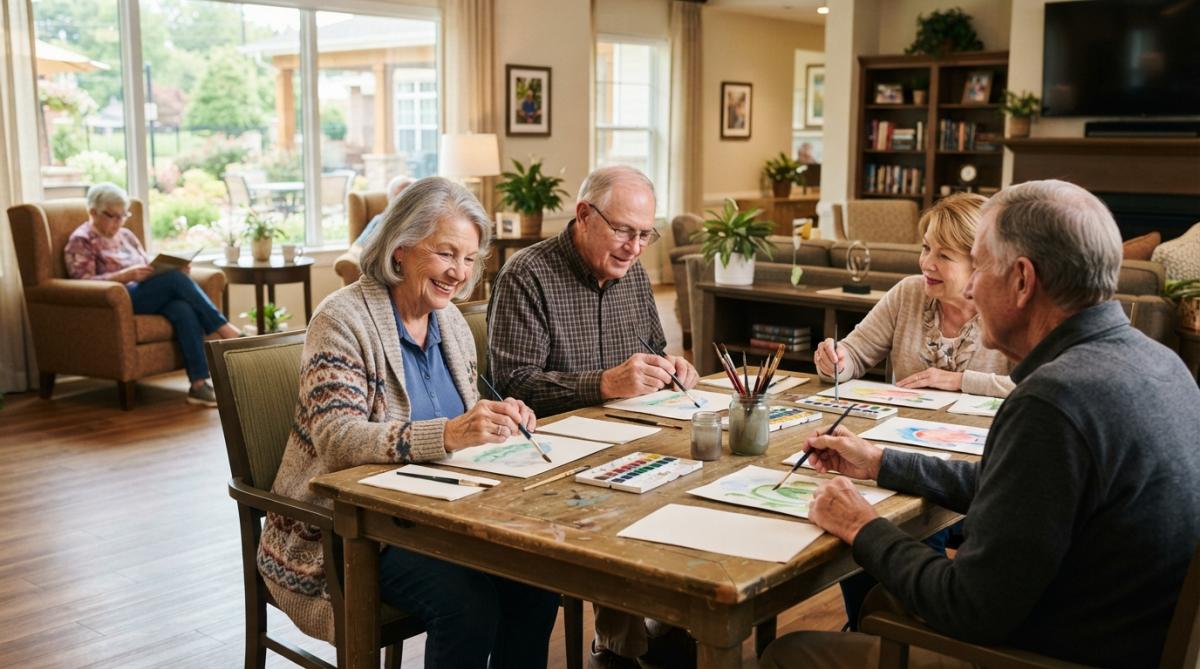
 how-to
Assisted Living Amenities to Look For
Table of Contents
- Essential Assisted Living Amenities to Evaluate
- Senior Living Wellness Programs and Recreation
- Safety, Security, and Healthcare Features
- Transportation and Accessibility Modifications
- Questions to Ask When Touring Assisted Living
- Assisted Living Checklist for Families
- Cost-to-Amenity Value: Making the Right Choice
- Conclusion
- Frequently Asked Questions
Last Updated: September 23, 2026
Essential Assisted Living Amenities to Evaluate
Choosing an assisted living facility is one of the most important decisions you'll make for your aging parent or loved one. The right community can mean the difference between isolation and engagement, between struggling with daily tasks and receiving genuine support. When evaluating assisted living amenities to look for, focus on what actually matters to quality of life, not just what sounds nice in a brochure.
The amenities that matter most are the ones that support independence, dignity, and meaningful daily living. Below, we'll walk you through exactly what to evaluate during your tour.
Daily Care and Support Services
The foundation of any assisted living facility is its ability to help residents with activities of daily living, bathing, dressing, medication management, and meal preparation. These aren't optional extras. They're the core reason someone moves into a community.
Ask about staffing ratios and how many caregivers are on duty during night shifts. This matters tremendously.
Look for communities that offer personalized care plans. Each resident has different needs. One person might need help with medications only. Another might require full assistance with dressing and bathing. The best communities tailor their support to match what each resident actually needs, not a one-size-fits-all approach.
Check whether the facility has an on-site nurse or healthcare provider available. Some communities have nurses present only during business hours. Others maintain 24/7 healthcare support. The difference matters when a resident develops an infection, experiences chest pain, or needs medication adjustments at midnight.
Dining and Nutrition Options
Food quality and dining options affect daily satisfaction more than most families realize. Residents eat three meals a day. If those meals are institutional and repetitive, it shows up in weight loss, declining nutrition, and lower morale.
Seek out communities with chef-prepared meals rather than pre-packaged or outsourced food service. The difference is immediate and noticeable. Residents should be able to smell food cooking. They should recognize what's on their plate.
Ask about dietary accommodations. Does the community handle diabetic diets, low-sodium requirements, vegetarian preferences, and food allergies? Can they prepare meals for residents with swallowing difficulties? Nutrition isn't one-size-fits-all, and a quality community adapts.
Look for dining flexibility. Some residents want to eat in their rooms. Others prefer communal dining. The best communities offer both options and don't force a single dining model. Private dining rooms for family visits are also valuable.
Check whether residents can participate in meal planning or cooking activities.
Senior Living Wellness Programs and Recreation
This is where the real quality of life lives. A community can meet basic care needs, but wellness programs and recreational activities determine whether residents actually thrive or simply exist.
Fitness and Health Activities
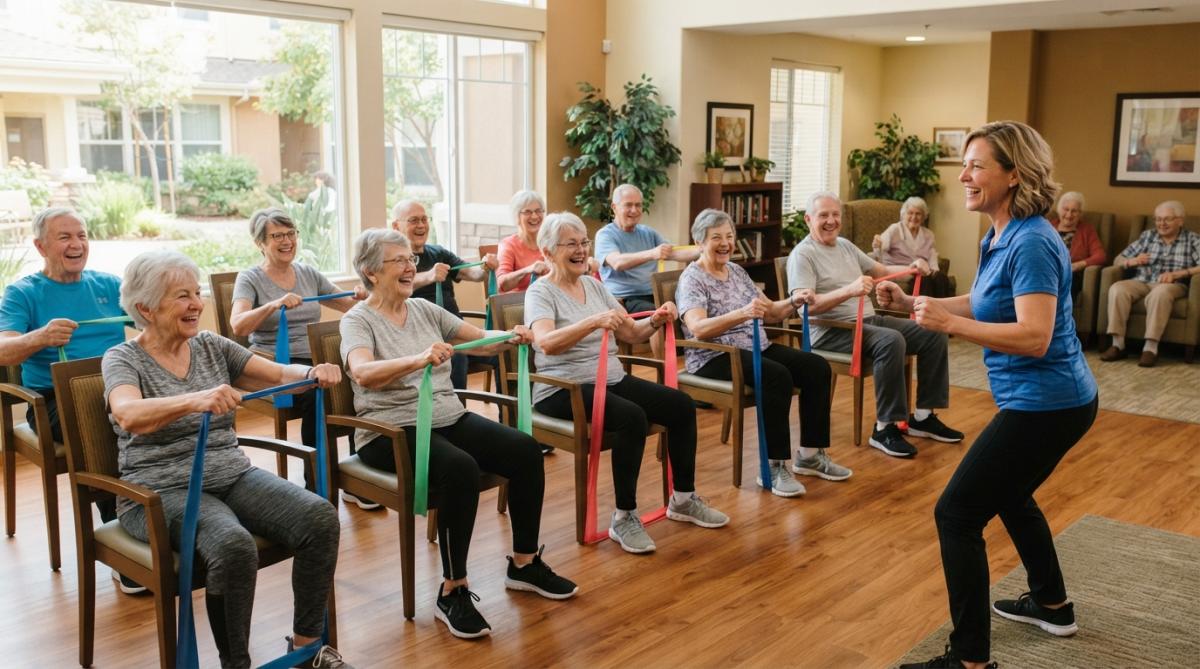
Effective wellness programs aren't about strenuous exercise. They're about keeping residents mobile, engaged, and purposeful. Look for communities that offer a range of activities at different intensity levels.
A quality fitness center should include accessible equipment, stationary bikes with back support, weight machines with adjustable seats, and clear instructions. But the real measure is whether residents actually use it. Does the community offer guided fitness classes? Do staff members encourage participation?
Ask about physical therapy and occupational therapy services. These aren't just for rehabilitation after an injury. Regular PT and OT help residents maintain mobility and independence longer.
Look for outdoor activities and accessible walking paths. Movement outdoors is more engaging than movement indoors. A well-maintained garden or walking trail tells you the community values resident wellness beyond the basics.
Social Engagement and Community Life
Isolation is one of the biggest threats to health in senior living. A community with strong social programming, meaningful activities, and genuine community life is worth significantly more than one that simply provides meals and medication management.
Evaluate the calendar of activities. Count the number of events per week. Better yet, attend an activity yourself. Are residents actually participating, or are they sitting in chairs watching others? Is there genuine engagement and laughter?
Ask about resident-led activities.
Look for intergenerational programming, connections with children, grandchildren, schools, or community volunteers.
Check whether the community honors individual interests and hobbies. Does someone who loved gardening have access to a garden? Does a former musician have access to an instrument?
Safety, Security, and Healthcare Features
Safety features matter, but they're often misunderstood. A community doesn't need to feel like a hospital to be safe. The best communities balance security with dignity.
Look for emergency response systems that residents can use independently, call buttons in bathrooms, wearable alert devices, and staff response protocols.
Evaluate fall prevention. Are hallways well-lit? Are grab bars installed where needed? Do staff members conduct regular fall-risk assessments? Falls are the leading cause of injury in senior living (the CDC). Communities serious about safety have concrete fall-prevention protocols.
Ask about medication management. How are medications stored, dispensed, and tracked? Are there systems to prevent errors?
Check the facility's infection control protocols. How are communicable illnesses handled? What's the vaccination policy?
Look for emergency preparedness plans. Does the community have backup power? Evacuation procedures? Supplies for extended emergencies?
Transportation and Accessibility Modifications
Many families overlook transportation until they need it. Then they realize their parent can't get to doctor appointments, grocery stores, or social activities independently.
Ask whether the community offers transportation services. How often do they run? Where do they go? Is transportation included in the monthly fee or an additional charge? Some communities offer regular outings to restaurants, shopping, and entertainment. Others provide only medical transportation.
Evaluate accessibility throughout the facility. Are doorways wide enough for walkers or wheelchairs? Are bathrooms equipped with grab bars and accessible showers? Are hallways clear of obstacles? Accessibility isn't just about wheelchairs, it's about supporting residents with varying mobility levels.
Ask about modifications for residents with mobility challenges. Can the community install grab bars, raise toilets, or modify bathrooms?
Check parking and entry accessibility. Can visitors park close to the entrance? Is there covered parking? These details matter when you're visiting frequently or helping your parent manage appointments.
Questions to Ask When Touring Assisted Living
A tour reveals far more than a brochure ever could. Bring a list of specific questions. Better yet, bring two family members, you'll notice different things, and you can compare observations afterward.
Ask to see a resident's room. Not a model, an actual resident's space. How clean is it? How personalized? Can you tell a person lives there, or does it feel like a hotel room?
Request a sample menu. Ask what today's lunch is. Better yet, ask if you can eat a meal there. Food quality is impossible to judge from a menu alone.
Talk to residents and staff.
Request references from families whose parents live there.
Assisted Living Checklist for Families
Use this checklist during your tour and evaluation process. Rate each item as essential, important, or nice-to-have for your specific situation.
| Amenity Category | Specific Items to Evaluate | Priority Level |
|---|---|---|
| Daily Care | Staffing ratios, 24/7 nursing, personalized care plans | Essential |
| Dining | Chef-prepared meals, dietary accommodations, dining flexibility | Essential |
| Wellness Programs | Fitness classes, PT/OT services, outdoor activities | Important |
| Social Activities | Weekly programming, resident-led activities, intergenerational events | Important |
| Safety | Emergency response system, fall prevention, medication management | Essential |
| Transportation | Community outings, medical transportation, accessibility | Important |
| Accessibility | Grab bars, accessible bathrooms, mobility modifications | Essential |
| Staff Engagement | Responsive staff, genuine interaction, person-centered care | Essential |
Cost-to-Amenity Value: Making the Right Choice
This is the conversation nobody wants to have, but it's essential. Assisted living pricing varies widely, and it's easy to overpay for amenities you don't need or underpay and discover critical services are missing.
Conclusion
Choosing an assisted living community requires balancing practical needs, personal preferences, and financial reality. The amenities that matter most are the ones that support daily independence, meaningful engagement, and genuine care.
Frequently Asked Questions
What are the most important amenities in assisted living?
The most critical amenities focus on safety, independence, and quality of life. Prioritize 24/7 care support, medication management, emergency response systems, chef-prepared meals, housekeeping services, and social or wellness activities. For residents with memory care needs, look for specialized programming that honors remaining abilities and personal life stories. Transportation services and accessibility modifications are also essential for maintaining dignity and independence.
What questions should I ask when touring an assisted living community?
Ask about staffing ratios and availability during evening and overnight hours, how the facility handles medical emergencies and behavioral episodes, what meals are included and how dietary needs are accommodated, what recreational and wellness programs are offered, transportation services available, medication management protocols, and how the community personalizes care to each resident's needs and preferences. Request to see common areas, dining spaces, and a sample resident room.
How do I evaluate the quality of assisted living amenities?
Assess whether amenities directly support independence, dignity, and meaningful engagement rather than just keeping residents occupied. Check if activities and programs are person-centered and tied to residents' life stories and abilities. Visit during different times of day to observe community life in action. Read resident and family testimonials about satisfaction. Ask about evidence-based care philosophies and partnerships with reputable organizations. Evaluate whether amenities address both physical health and emotional well-being.
What health and wellness amenities should I prioritize?
Prioritize fitness centers or structured exercise programs designed for older adults, nutrition education and chef-prepared meals that support health goals, medication management and monitoring services, and access to healthcare professionals or partnerships with local providers. Mental wellness programs, social engagement opportunities, and activities that foster purpose and belonging are equally important. For memory care residents, look for specialized wellness programming that engages remaining cognitive abilities and honors personal interests and life history.